Visiting Artist in Residence: Micah Goldstein at the Kasahara Gabriola Trust

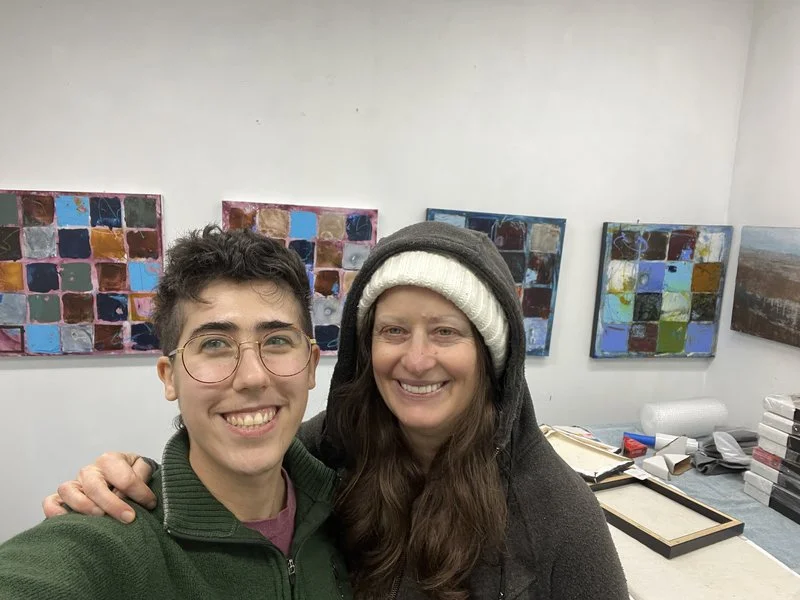
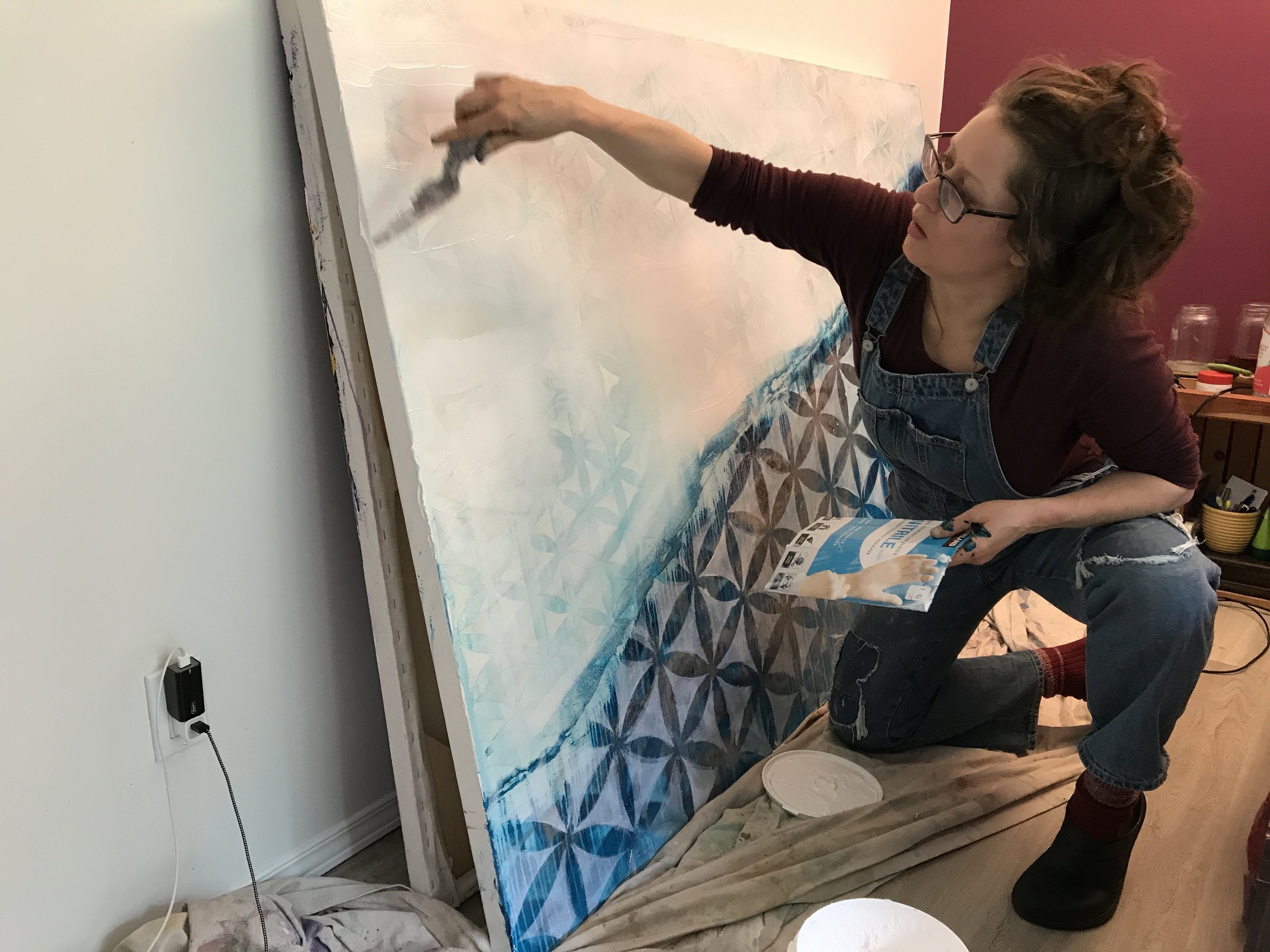
Deb Chaney and Micah Goldstein at Deb’s studio — Gabriola Island.

There are many extraordinary things about living on Gabriola Island, affectionately known as the Isle of the Arts.

For me, this place truly feels like home. I moved here during the pandemic, seeking a landscape where nature, community, and creativity could coexist in a meaningful way. Gabriola offered exactly that—beautiful beaches for hiking, the ocean always nearby, and an incredibly vibrant community of artists.

Sometimes, though, the island offers even more than you could think to ask for.

Kasahara Gabriola Trust Artist Residency

A few years ago, I learned about the Kasahara Gabriola Trust Artist Residency, hosted by the Gabriola Arts Council. The program welcomes artists from around the world to live and work on Gabriola Island, sharing their creative practices and ideas with the community while developing their own work in a quiet and inspiring setting. You can learn more about the residency at the Gabriola Arts Council.

Last year, I had the honour of joining the residency committee as a volunteer. What struck me most was the extraordinary generosity behind the program. Many members of the committee offer their time simply because they believe in the importance of supporting artists and cultural exchange.

Artists are welcomed with a small gathering when they arrive, and during their stay they share their work with the community through workshops, talks, and an exhibition at the Gabriola Arts & Heritage Centre.

The Legacy Behind the Residency

The residency exists because of the remarkable vision of Toshiko Kasahara.

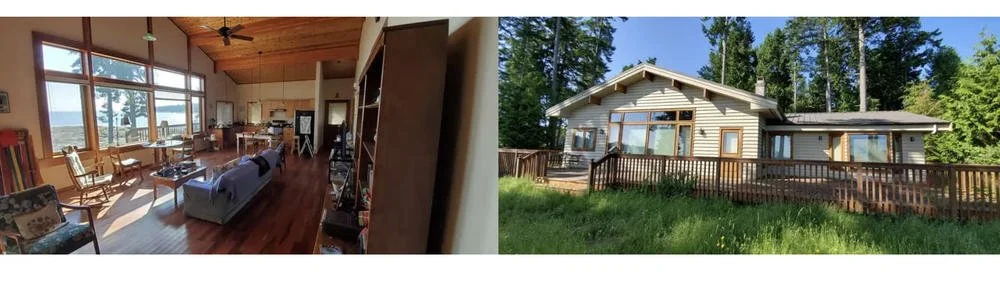
More than fifty years ago, Toshiko came to Gabriola Island almost by accident. She later built a beautiful oceanfront home here at the age of eighty. She loved the island deeply—the ocean, the people, and especially the arts.

Her spirit was adventurous and bold. She loved music, conversation, and connection. The home she built now serves as the Kasahara House, where visiting artists stay during their residency.

Today, her gift continues to bring creative voices from around the world to Gabriola, enriching the island’s artistic community.

Current Artist in Residence: Micah Goldstein

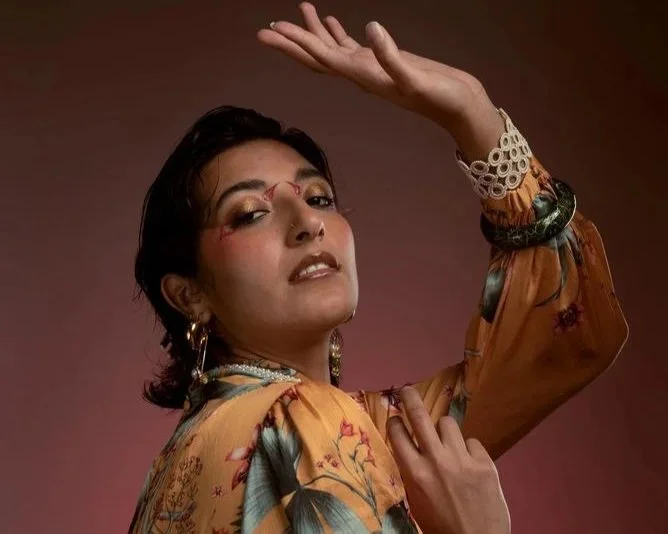
Visiting from Montreal, Micah W. Goldstein is the current artist in residence.

Micah’s interdisciplinary practice explores the intersection of printmaking, animation, memory, and place. Her work often focuses on intimate, reflective moments—hands interacting with objects, feet touching the ground, or the quiet awareness of moving through a space.

By placing the viewer very close to the subject, she transforms even small objects into entire worlds.

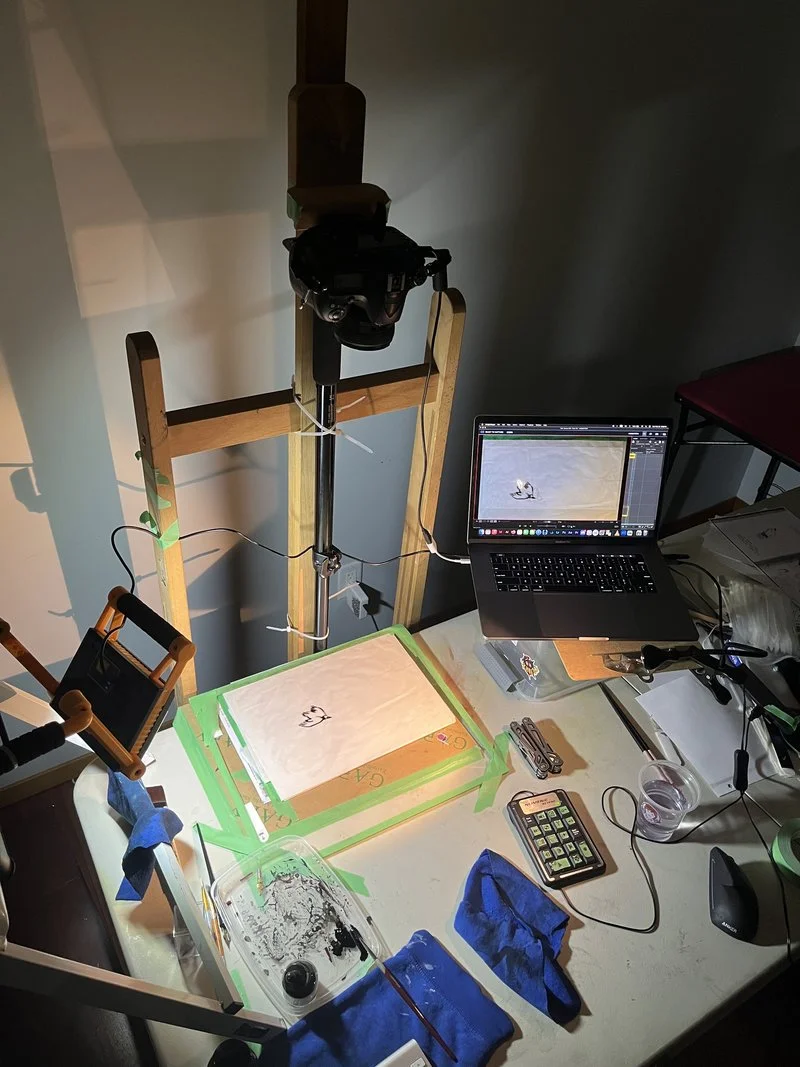
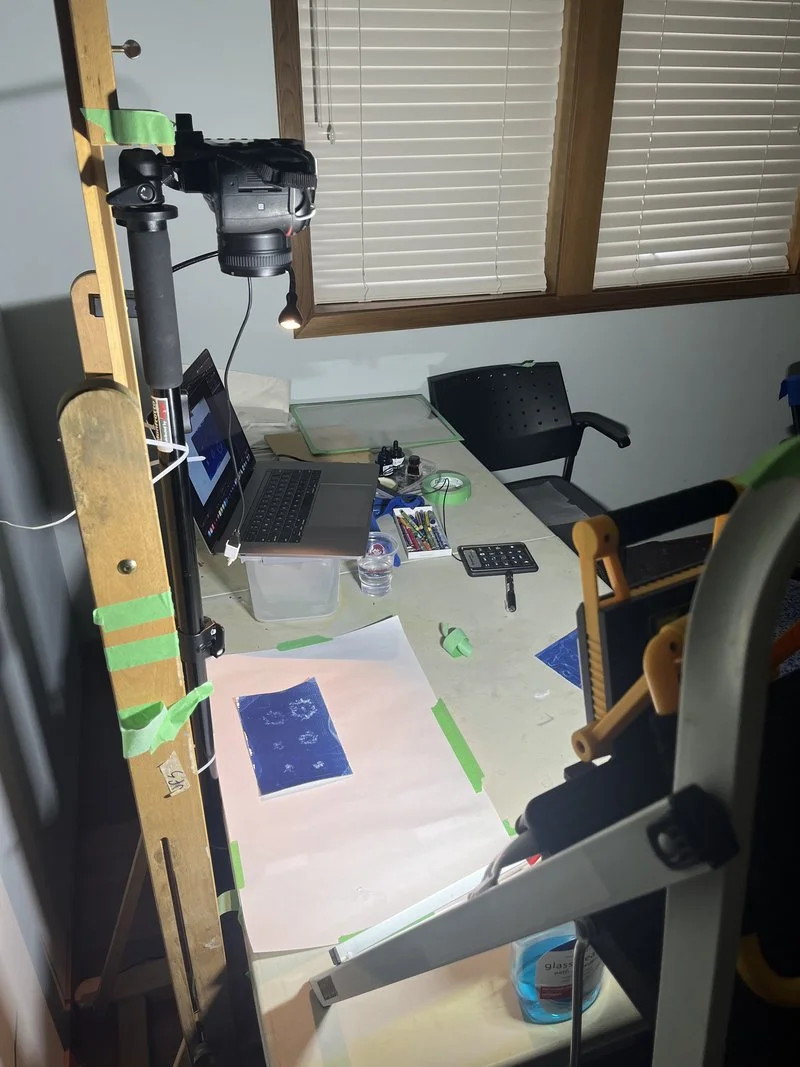
Her artistic process is deeply tactile and meditative. Micah experiments with ways of recreating digital effects through entirely analogue techniques—using tracing paper, lightboxes, layered transparencies, and shadow shapes to mimic movements such as pans or crossfades.

These ritualistic methods emphasize the act of making. Through layering, repetition, and careful attention to process, she builds dense visual environments that invite viewers to slow down and experience a moment of presence — what she describes as the feeling of being “here”.

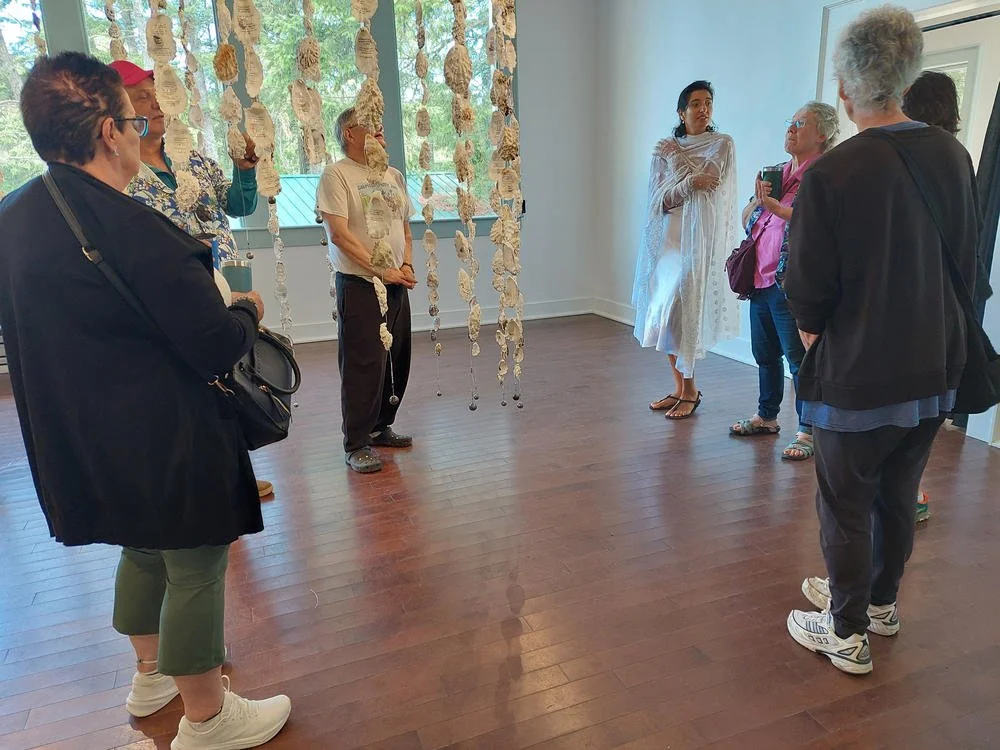
Micah also recently shared the creative process behind one of her short films during an artist talk on Gabriola Island. The film has so far been shown in Ontario and Montreal through a student festival, and she continues submitting it to festivals internationally.

Her ability to explain both the conceptual and technical aspects of her work was incredibly illuminating—particularly for those of us without a background in film or animation.

Workshop with the Gabriola Community

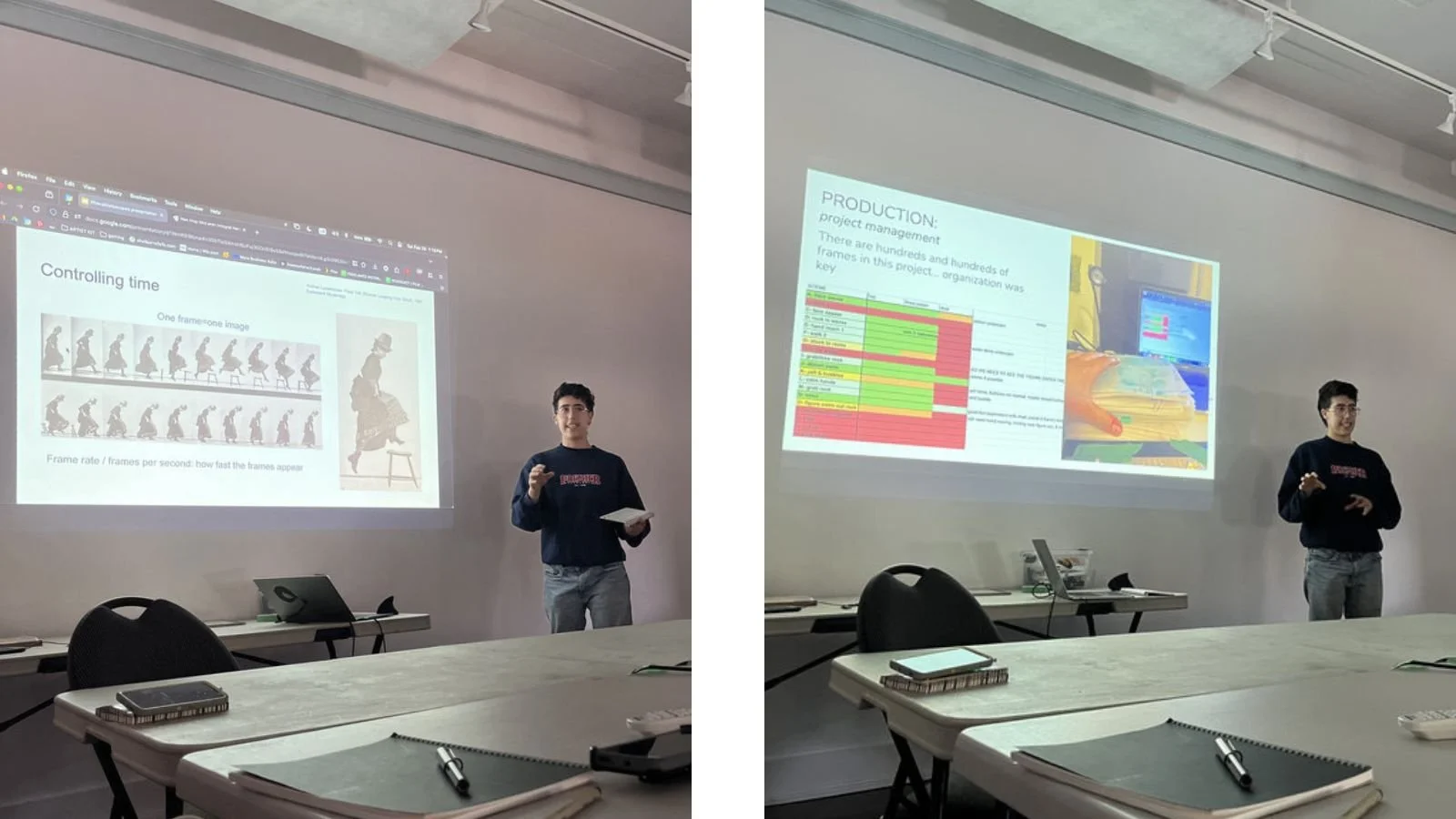
icah Goldstein presenting animation fundamentals and production management slides at Gabriola Arts residency

Micah presenting the fundamentals of animation and frame sequencing during her community workshop.

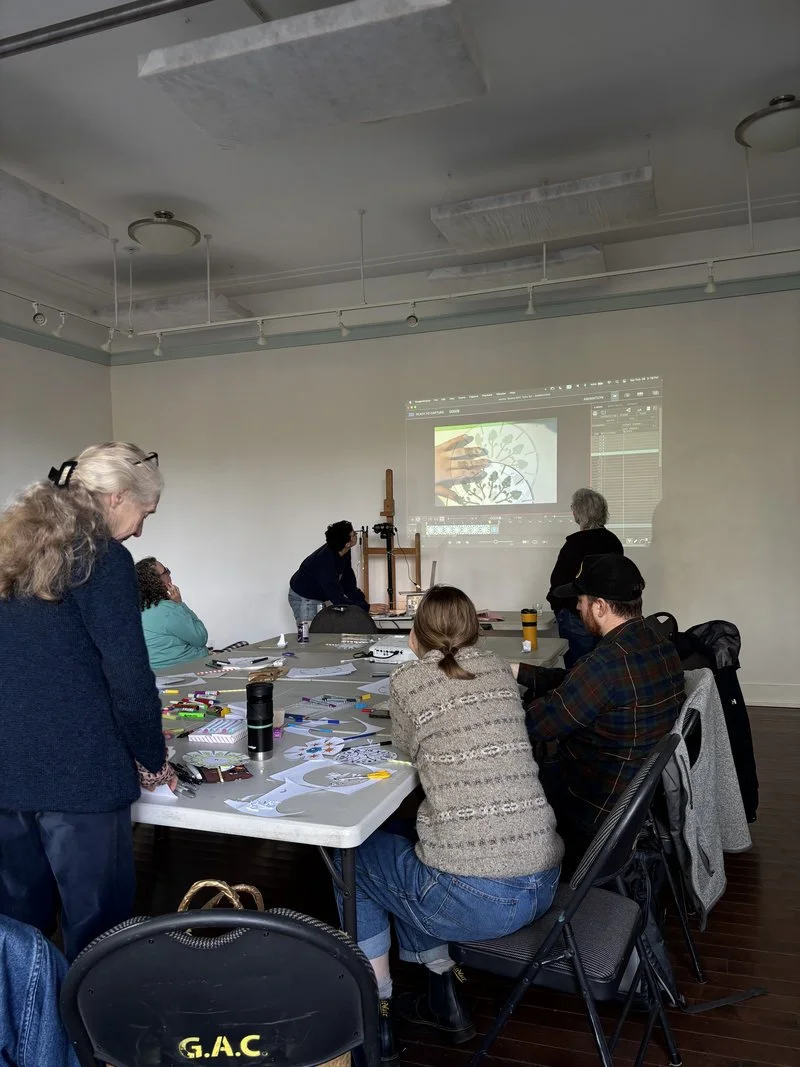
During her residency, Micah also led a hands-on workshop for the Gabriola community, sharing techniques from her animation and printmaking practice.

Participants learned how animation is built frame by frame and how careful sequencing creates the illusion of movement.

The workshop allowed artists and community members to experiment with the same careful processes Micah uses in her own practice.

Inside the Creative Process

Micah’s process involves layering images, experimenting with transparency, and building motion frame by frame.

Her studio setup during the residency included a camera rig positioned above the work surface, allowing each drawing or paper layer to be captured precisely.

The result is a slow, attentive workflow — one that values presence and physical interaction with materials.

A Personal Studio Visit

Recently, Micah visited my studio here on Gabriola Island. We shared tea and cookies while talking about our practices, artist residencies around the world, and the evolving landscape of contemporary art.

Our conversation ranged from the Vienna Biennale (which she may be participating in), to creative process, to the personal journeys that shape an artist’s work.

It was one of those beautiful exchanges that reminds you why artistic community matters.

Micah is a thoughtful and courageous young artist — someone who is clearly stepping into the world with curiosity, intelligence, and heart. I feel incredibly grateful that our paths crossed.

Gratitude

Programs like the Kasahara Gabriola Trust Artist Residency remind us how powerful artistic exchange can be. Artists arrive from different places and disciplines, bringing with them new ideas, perspectives, and conversations that enrich the entire community.

Micah, thank you for sharing your work, your curiosity, and your presence with our island. It has been a privilege to meet you, and I look forward to following your journey and everything you create in the years ahead.

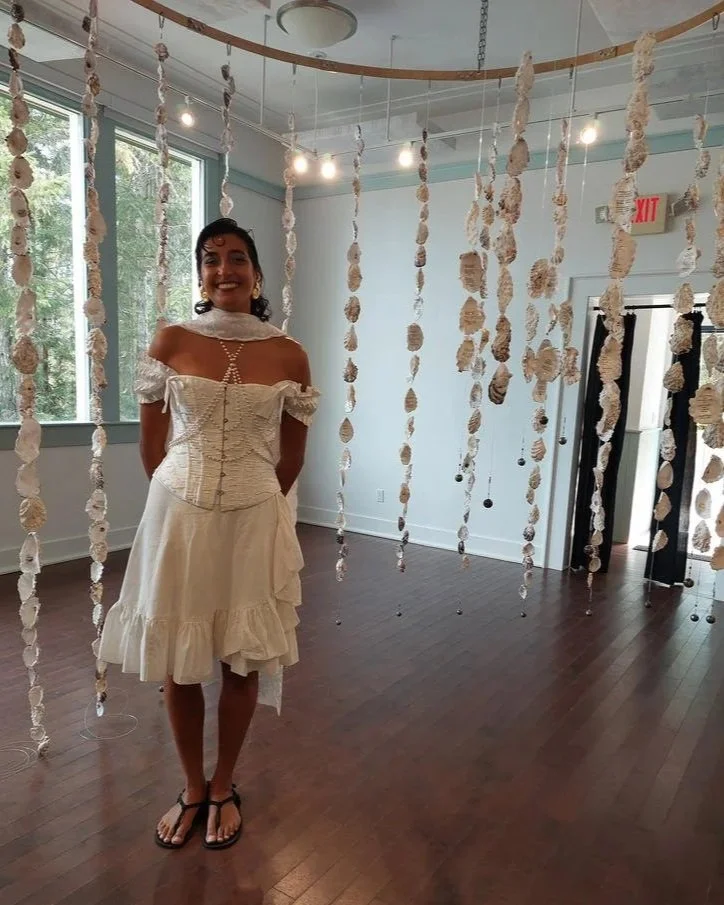
For those who missed her residency exhibition, here is a look at the Expanded Overlays showcase:

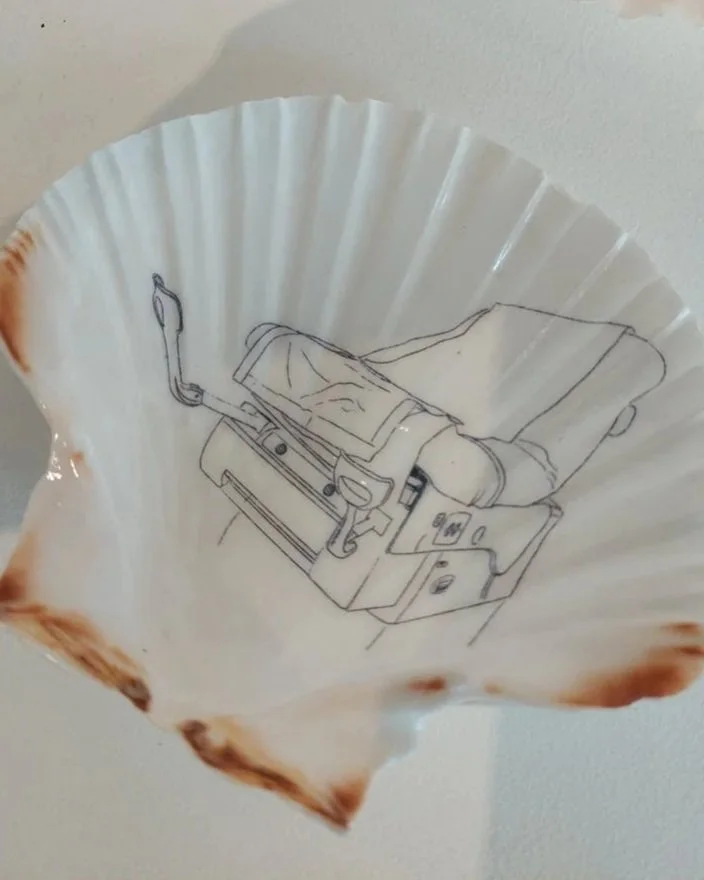
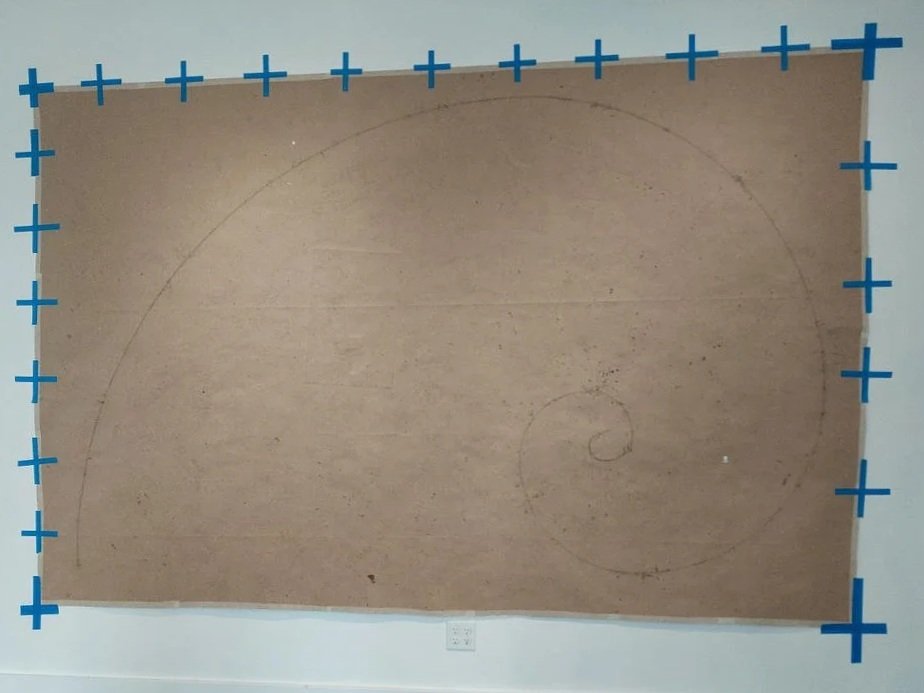
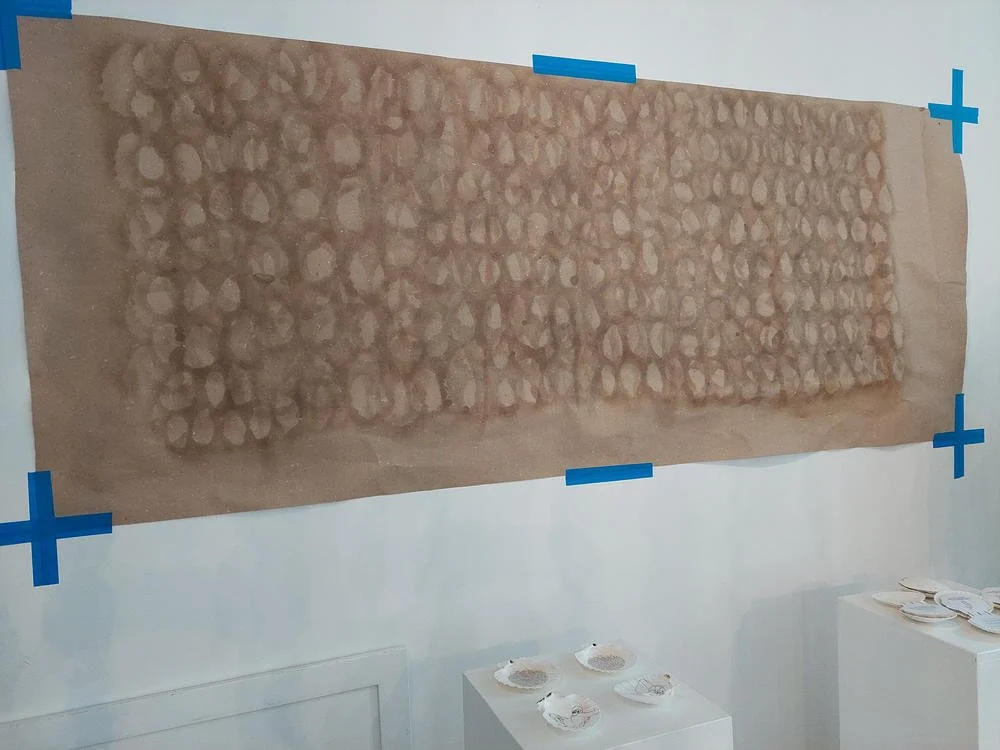
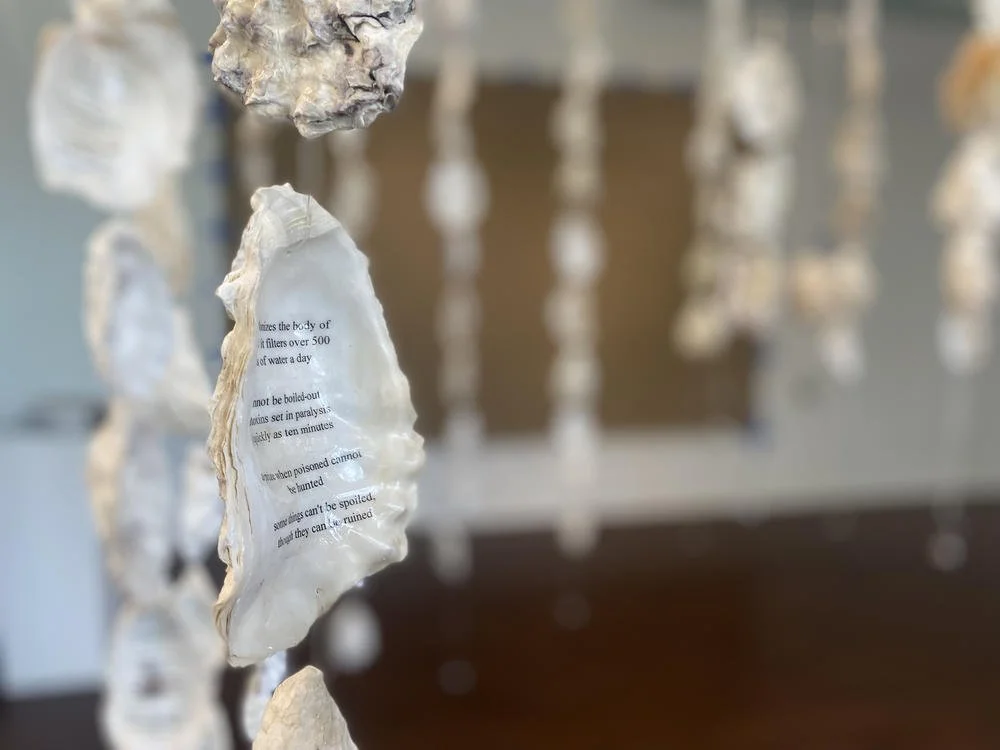
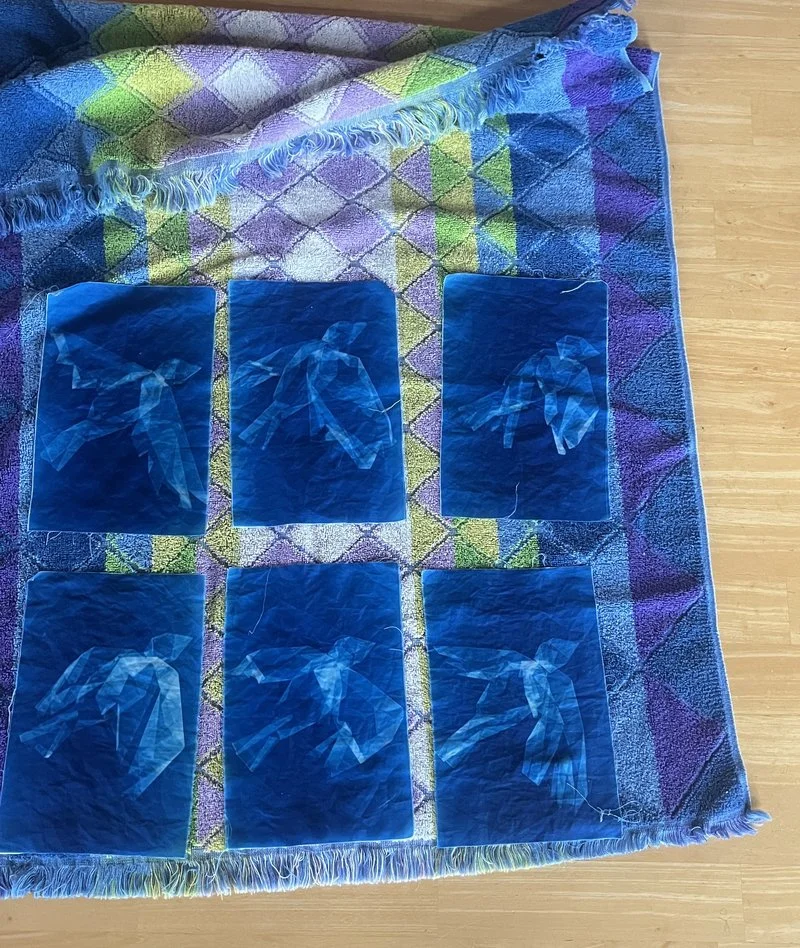
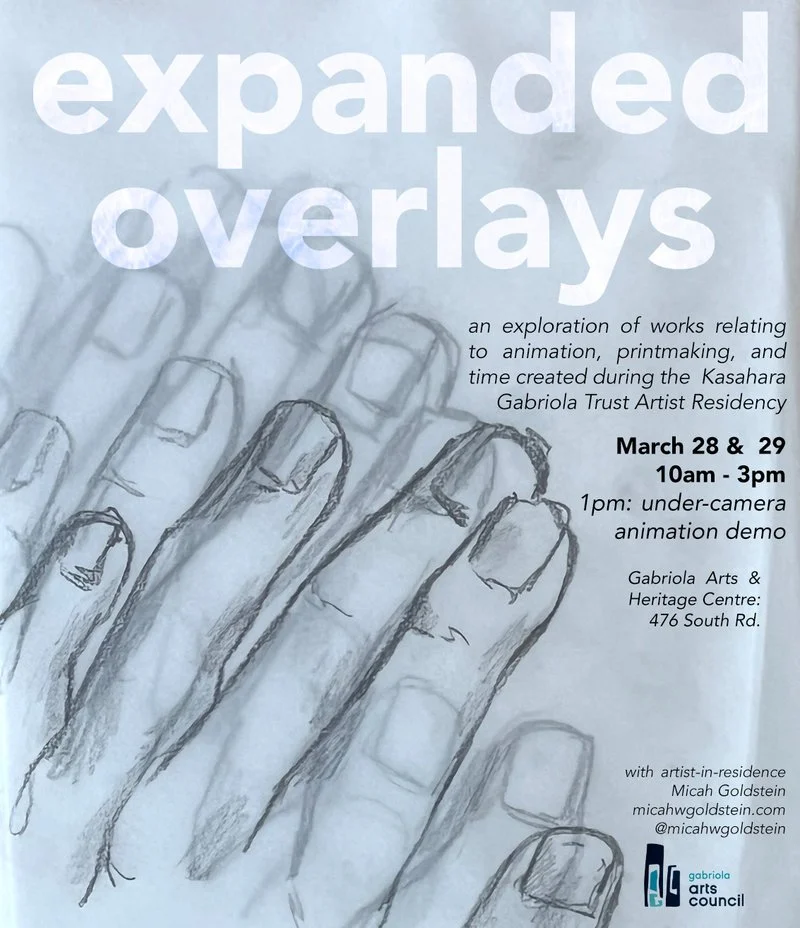
Expanded overlays was an exploration of works relating to animation, printmaking, and time created during the Kasahara Gabriola Trust Artist Residency. Artist-in-residence Micah Goldstein shared some of the work she's been developing while on the island, as well as a short under-camera animation demonstration using paint on glass. Micah's work was displayed both as individual frames and as full animated sequences.

Learn More

Visit Micah Goldstein’s Website to explore more of her animation and printmaking projects.
The Kasahara Gabriola Trust Artist Residency–learn more about the residency program and past visiting artists on the Gabriola Arts Council website.
Follow Micah on Instagram for behind-the-scenes look at her latest analogue explorations.

Exploring the Journey of a Spiritual Abstract Artist: An Interview with Deb Chaney

Serenity by Deb Chaney 36” x 36” x 1.5”, Prints and reproductions are available at Saatchi Art.

Art has the power to transcend the visible and connect us to the unseen, evoking emotions, intuition, and deeper understanding. In this interview, we sit down with Deb Chaney, a renowned spiritual abstract artist whose work captures these ineffable elements.

Deb shares her creative process, her journey into the art world, and the challenges she’s faced along the way. Whether you're an aspiring artist or someone who appreciates the transformative power of art, Deb's story is sure to inspire.

Interview with Deb Chaney

Vanessa: After doing some research and looking at your pieces, I was wondering how you decide to represent your spiritual abstract paintings and which mediums you use to make them ready to sell?

Deb: Thank you for taking the time to research and look at my art—it means so much to me! 🙂 My favorite piece I’ve painted to date is called Serenity. An actress in Vancouver has it in her treasured collection, which makes me so happy.

I decided to represent my art as "spiritual" because the spiritual side of life—meditation, healing, intuition, angels, miracles, energy, emotions, and feelings—are things we cannot see but can sense and feel. Abstract art felt like the perfect medium to convey this, as it’s less about depicting something concrete and more about exploring the unseen.

In my paintings, I use everything from acrylics to mica flakes, pastels, pencils, spray paints, collage elements, sand, and more. Creating with all these layers is fun, challenging, and deeply engaging for me. I feel incredibly lucky to work in this mixed-media style and love the process of layering.

To finish a painting, I seal it with an isolation coat (a clear gloss layer that separates the painting from the varnish) and then apply a final varnish. If you look closely at the back of my paintings, you’ll see a small “i” with a checkmark, indicating the isolation coat is complete, and a small “v” with a checkmark, meaning it’s been varnished (two coats). I also paint the edges and sign the back to complete the piece.

Ignore Reality (48” x 48” x 1.5”), mixed media on canvas. Original and Prints available at Saatchi Art.

Vanessa: When you were in school, did you take all the opportunities in art class, and did you know at the time that you wanted to be an artist?

Deb: I attended UVIC and earned a B.Sc. in Earth and Ocean Sciences (EOS). I had no idea during my studies that I would one day be an artist.

I’ve always loved the outdoors—hiking, camping, and exploring rivers, streams, oceans, and mountains—so studying geology, oceanography, and geography was fascinating and fun for me. Perhaps that’s why I enjoy incorporating sand into my paintings! 😉

In the EOS program, there were no electives, so I didn’t have the chance to take art classes. However, I do remember biking to school one day and passing a church basement filled with easels and paintings in progress. That moment spoke to me, but at the time, I didn’t realize it was a glimpse into my future.

My artistic career began much later, in my late 20s, after I graduated and moved from BC to California.

Panorama of Deb’s ⁠studio showing large scale Drishti paintings in process. See some of the finished works here.

Vanessa: There must have been some bumps in the road as you discovered yourself as an artist. Can you tell me about them and how you overcame them?

Deb: Absolutely—challenges are constant and come in many forms. I’m currently reading The Obstacle is the Way by Ryan Holiday, and I wholeheartedly agree that obstacles are opportunities if we see them from the right perspective.

Being an artist is not an easy or secure career path. It’s not like medical school, where you follow a set program and become a doctor. I didn’t attend art school, but from what I’ve heard, many programs don’t teach the practical skills needed to build a career as an artist.

The first challenge was navigating the art industry and understanding how it works—learning the differences between commercial galleries, vanity galleries, and artist-run galleries, for instance. Another challenge is the entrepreneurial aspect. Selling your work means running a business, which involves pricing, marketing, organizing inventory, and shipping.

The third challenge is emotional. Sometimes you create something meaningful to you, but others may not understand or appreciate it. As an artist, you have to develop resilience and create for yourself, staying true to your vision regardless of feedback.

Vanessa: Do you think anyone can be an artist? What traits are important when starting that journey?

Deb: I believe we’re all creators at heart. Every decision we make—how we dress, decorate our spaces, or style our hair—is a creative act.

However, if you’re asking whether anyone can pursue art as a career, the answer is more complex. It requires focus, determination, resilience, and entrepreneurial skills. Not everyone is ready to take on that level of commitment.

Deb working in the studio on her Drishti Paintings. See some of the finished works here.

The most important trait when starting out is clarity. Define what being an artist means to you. Success might look different for everyone—whether it’s selling your work globally or creating for personal fulfillment.

As Danielle Laporte beautifully said, “The journey has to feel the way you want the destination to feel.”

Vanessa: What would you define as art?

Deb: My definition is simple: art is something created consciously and then declared as art.

The dictionary definition resonates with me:

Art | ärt | (noun)

  1. The expression or application of human creative skill and imagination, typically in a visual form such as painting or sculpture, producing works to be appreciated primarily for their beauty or emotional power.


Vanessa Martin is a current student at Victor-Brodeur school on Vancouver Island and interviewed Deb for her visual arts class project. She found Deb via the Art BC website and chose to interview and feature her for her project because; “I looked at a few sites, but none of the pieces stood out to me from the one that I saw, then I found you. I believe the thing that really caught my eye with your piece was that it was so complex, and I felt as if you could notice different things within it each time you looked at it. I was intrigued and excited to reach out and interview you for this assignment.”

My Interview on "Conversations Worth Having" with Adrian Starks and Michelle Falcone

Deb Chaney painting in her studio

Deb Chaney at work in her studio

I was interviewed by Adrian Starks and Michelle Falcone back in May, for their show Conversations Worth Having. It took place on Facebook Live and a recording of the video is available on their Facebook page.

Who are Adrian Starks and Michelle Falcone?

My art is inspired by my own healing and personal journey, and both Adrian and Michelle share this passion for personal growth.

Adrian Starks is a motivational speaker, author, and personal growth trainer based in Seattle. He founded Champion Up with the goal of helping people recognize and realize their own power and courage for personal change. He focuses on managing mental health and encouraging positive growth and success and he certainly has the testimonials to back him up.

I love seeing people simply become better and happier human beings by creating fulfilling realities from their ideas or visions.
— Adrian Starks

Michelle Falcone is a Vancouver-based entrepreneur and certified life coach who is committed to “helping those she works with to obtain a life full of passion and peace.” She offers coaching services, speaking engagements, and programs & retreats – including an enthralling-looking small group retreat called Sailboat Coaching.   

In addition to being incredibly passionate about mental health, Michelle is an extraordinary supporter of the arts and artists. She is currently working with another artist and musician on developing a program that supports youth and their mental health. Michelle’s testimonials speak for themselves as well.

The Honour of Being a Conversation Worth Having

It’s certainly a compliment and honour to be considered the focal point of a “conversation worth having”, and I’d like to extend my thanks and appreciation to Adrian and Michelle for their time and interest.

Early in the interview, I reflect on the first series I painted 20 years ago. It consisted of 16 paintings – and a lot of red. I recalled a good friend of mine looking at the paintings and saying how angry they looked. And I look back now with my gained wisdom and realize how great it was that I could move from depression to anxiety to anger. I wasn’t conscious of it then, but I knew I was frustrated and had all this emotion, and I could turn it into creation. And that was really the beginning of art being a key component to my healing journey as well as my own transformational journey.

The main focus of the interview turns to the Drishti Paintings Series that I’m currently working on – but haven’t revealed too much about. I’ve been hunkered down in my creative cave, focused on creating these large, very layered and meaningful works of art, and that was the crux of what we discussed. We talk about the 3 concepts guiding my creation of these paintings – how they are the inspiration behind the Drishti Paintings as well as the inspiration for my own personal journey to find mental wellness.

I’ve alluded to the Drishti Series online, but the artwork will be fully revealed during Gabriola Island’s (incredible) Thanksgiving Studio Tour, which takes place on October 8-10th.

Check out the Conversations Worth Having Facebook page for past episodes and more about the program and its inspiring hosts.

Original Artwork and Prints for Sale

This section usually has links to where you can buy the original or prints of the painting mentioned in the post. But in this case, as mentioned above, the Drishti Paintings Series is still in process and won’t be revealed until the island’s studio tour in October.

However, you can browse through my collection at Saatchi Art’s online gallery. 

Saatchi Art offers multiple options to suit your personal tastes or needs. Prints can be on paper or canvas and are typically available in 4 sizes to best fit your room. You can also choose to have it framed in white, black, or natural wood.

The “View In A Room” image gives you an idea of its size and lets you see what it looks like on a wall. But take it one step further with the “View in My Room” tool that lets you see what it looks like on your wall.