Sweet Surrender—Opening to Flow and Freedom

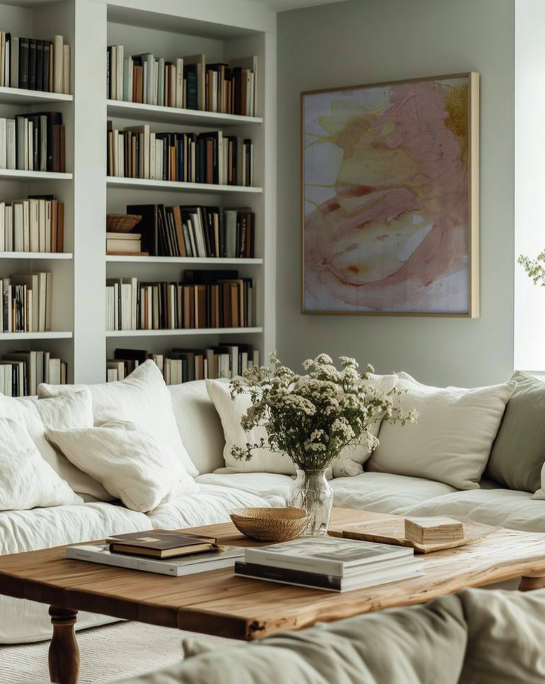
A living room gets a touch of tranquility from The Womb, 11” x 15” Acrylic on Paper, Little Gems Series © Deb Chaney. Prints available on Saatchi Gallery.

Surrender is both a mindset and a practice.

It’s the art of letting go—releasing control of how things should unfold, and trusting a higher intelligence, creative flow, or the rhythm of life itself.

For artists, surrender brings peace and creative freedom. It softens the inner critic, dissolves the stress of forcing outcomes, and creates space for fresh inspiration to arrive.

In my own life, surrender has been the key to breakthroughs. Whether it was cycling in Iceland in my 20s and unexpectedly meeting a mentor named Abraham whose teachings influenced my life thereafter, or realizing that my most profound creative ideas appeared after I stopped trying so hard, I’ve seen that letting go often has the power to open the greatest doors.

Ways to practice surrender:

  • Sweet Surrender Days — Take a thermos of tea, a blanket, and simply sit in nature with no agenda.

  • Micro Acts of Surrender — When stressed, hand it over: “Universe, I give this to you. Show me the way.”

  • Business Rituals — Each week, choose one task to postpone, simplify, or release. Give it to God. Notice how space invites new opportunities.

“Letting go gives us freedom, and freedom is the only condition for happiness. If, in our heart, we still cling to anything… we cannot be free.”

— Thích Nhất Hạnh

Research supports this wisdom.

Studies show that letting go builds resilience and adaptability, helping us navigate challenges with calm and openness.
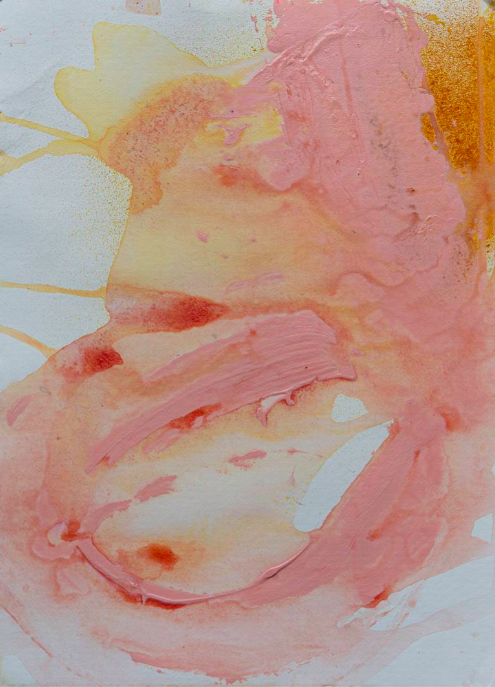
The Womb, 11” x 15” Acrylic on Paper, Little Gems Series © Deb Chaney. Prints available on Saatchi Gallery.

Takeaway

Surrender isn’t giving up—it’s opening to flow. By releasing control, you create space for inspiration, grace, and unexpected opportunities.

👉 Learn how to weave surrender into your art practice and business inside The Illuminated Artist in Business.
Conscious Thoughts—Planting Seeds of Affirmation

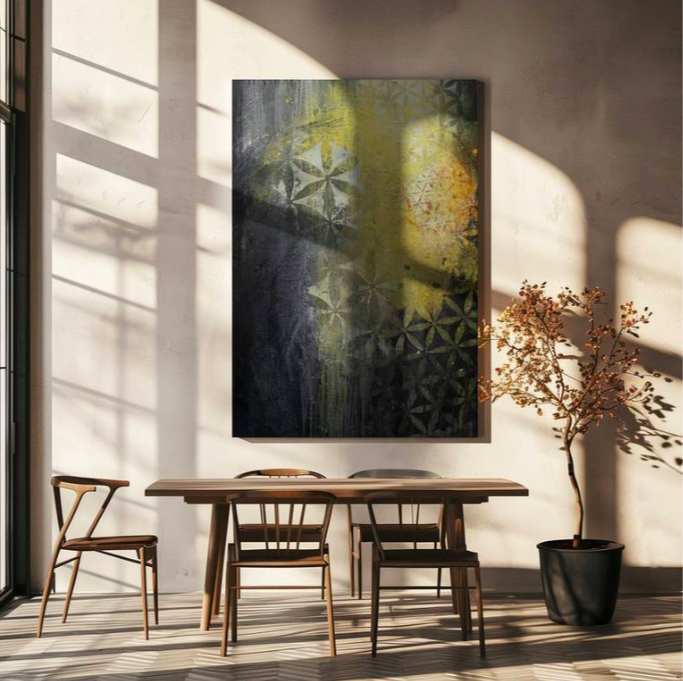
A sitting area is empowered by I Am Powerful, 48” x 60” x 1.5” Mixed Media on Canvas, Drishti Series, © Deb Chaney Prints available on Saatchi Gallery.

What we think creates our reality.

As artists, choosing empowering thoughts is one of the most powerful ways to nurture creativity and success.

Affirmations are short, positive statements in the present tense. They align your subconscious mind with the reality you want to live. By repeating them, you gently overwrite any limiting beliefs you may have with empowering truths.

I often listen to recorded affirmations while washing dishes or folding laundry. These simple moments of “background programming” help me plant positive seeds in my mind. One of my favorite resources is Louise Hay’s Affirmations (YouTube).

“Affirmations are like seeds planted in soil. If you continue to feed and water them, they grow and blossom.”

— Louise Hay

Here are six affirmations I love to return to:

  • I am taking loving and gentle care of myself.

  • I am resilient and return to balance with ease.

  • I am a channel for creativity.

  • I am confident in sharing my authentic voice.

  • I am attracting perfect collectors, companies, and clients for my art.

  • I am supported by good people who believe in me.

Research backs this up.

A study on affirmations shows that they can rewire neural pathways tied to confidence, reduce stress hormones, and foster resilience.

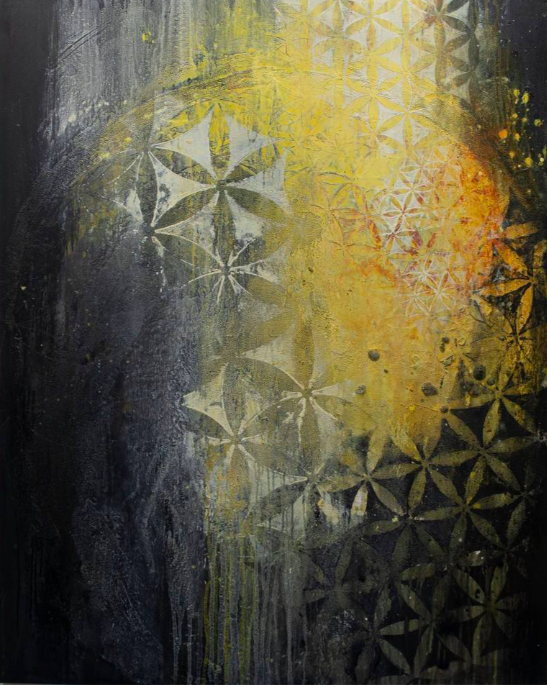
I Am Powerful, 48” x 60” x 1.5” Mixed Media on Canvas, Drishti Series, © Deb Chaney Prints available on Saatchi Gallery.

Takeaway

Affirmations are tiny seeds of thought that grow into the reality you live. Choose them with care, repeat them with love, and watch your creative life blossom.

👉 Explore practices like this in my upcoming course, The Illuminated Artist in Business.
Your Internal Compass—Navigating by Thoughts and Feelings

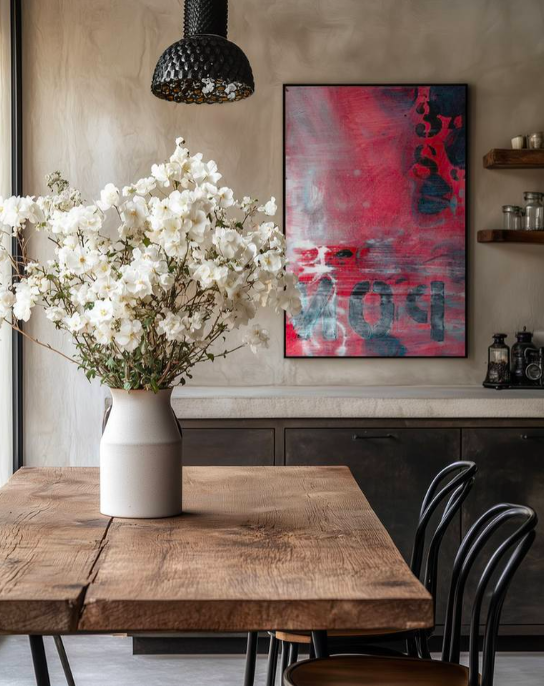
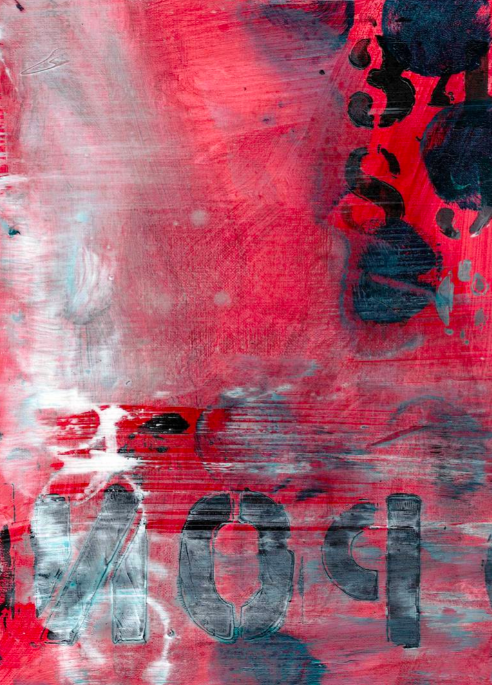
A dining area gets a vibrant lift of emotion from I stopped caring what you'd think, 9” x 12” x 0.1” Acrylic on Paper, © Deb Chaney Prints available on Saatchi Gallery.

Reading your inner compass

How do you know when you’re on track as an artist?

Your inner compass will reveal the answer.

That compass is your current emotional state. The better you feel, the more aligned you are with your path. Conversely, the worse you feel, the more you’ve likely drifted from it.

Every goal—whether it’s more clients, sales, or recognition—is ultimately about wanting to feel good. When you practice cultivating those feelings inside yourself first, the outer world naturally aligns.

I often use my journal as a tool to check in. I’ll take a few deep breaths, notice my body sensations, and then choose a word that describes how I feel.

Sometimes I write: “I feel like I’m recalibrating.” From there, I consider my thoughts.

For example: “I’m starting to get clear on this project, and that feels good. I’m looking forward to my walk by the ocean today.”

This simple practice reminds me: thoughts create feelings, and feelings create our reality.

“Your emotions are the slaves to your thoughts, and you are the slave to your emotions.”

— Elizabeth Gilbert

Science confirms this connection.

A study published in the Journal of Research in Personality found that individuals with stronger emotional regulation skills report higher well-being, greater income, and more success across life domains.

Aligning with your inner compass truly predicts thriving outcomes.

I stopped caring what you'd think, 9” x 12” x 0.1” Acrylic on Paper, © Deb Chaney Prints available on Saatchi Gallery.

Takeaway

Your feelings are your compass.

When you feel good, you’re aligned. Be sure to check in with your inner state often, and let it guide you toward balance, creativity, and success.

👉 Discover more tools for alignment in my upcoming course, The Illuminated Artist in Business.
The Power of Visualization — Dream It Into Reality

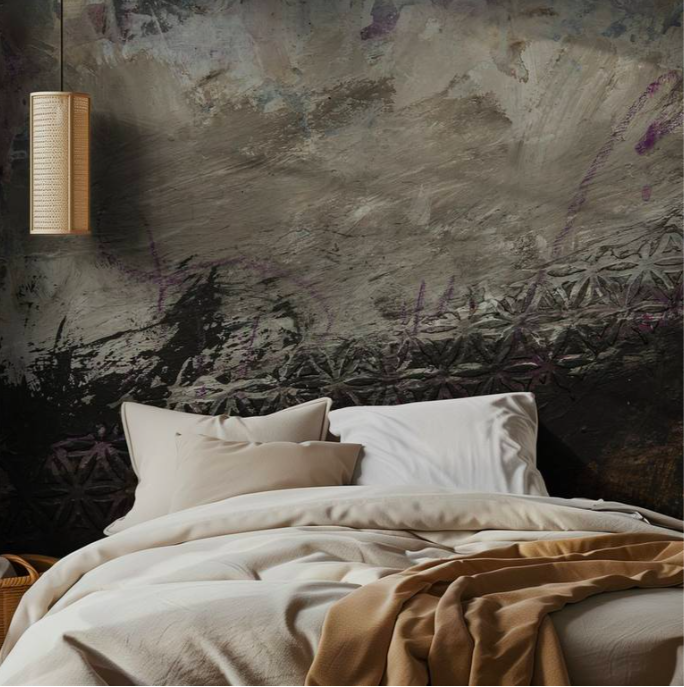
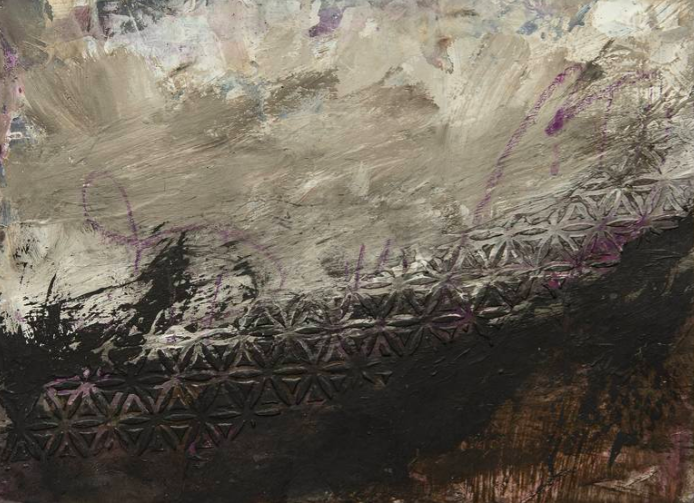
A bedroom wall boasts a large-scale recreation of Little Epilogue Landscape 3, 11” x 15” x 0.1” Acrylic on Canvas, © Deb Chaney Prints available on Saatchi Gallery.

Meditation clears the window of your mind—as I noted a few posts ago—but what will you choose to see through it? This is where visualization comes in.

Visualization is daydreaming with purpose. It’s the conscious act of imagining the life, art, and opportunities you’d love to experience. By rehearsing your desired reality in vivid detail, you align yourself with its frequency and become a natural match for it.

Science shows the brain responds to imagined experiences almost as if they were real. Visualization activates neural pathways, builds confidence, and primes you for action.

How visualization supports your art practice

As artists, visualization helps us:

  • Clarify vision — see and feel your goals in detail.

  • Strengthen belief — accept your dream as possible and natural.

  • Activate alignment — tune your energy to match what you want.

  • Encourage inspired action — inner momentum flows outward into results.

“Consistent practice of visualization meditation significantly boosts self-confidence and creates a greater feeling of control in decision-making. If you can see it, you can achieve it.”

— Kass, Visualization Meditation Expert

Tools to get started

Personally, I love Vishen Lakhiani’s Six-Phase Meditation. It’s highly visual and allows you to weave your art business dreams into a guided flow.

Supporting research also shows how powerful this practice is. This article from Peloton explains how visualization meditation boosts self-confidence and primes the mind for success.

Little Epilogue Landscape 3, 11” x 15” x 0.1” Acrylic on Canvas, © Deb Chaney Prints available on Saatchi Gallery.

Takeaway

Visualization isn’t just dreaming—it’s energetic preparation. When you see yourself thriving as an artist, you take another step closer to making this your reality.

👉 Explore how to weave visualization into your practice inside my upcoming course, The Illuminated Artist in Business.
The Magic of Meditation— Clearing the Creative Windshield

A bedroom is empowered with I Surrender God Knows Best, 48” x 60” x 1.5” Mixed Media on Canvas, Drishti Painting Series © Deb Chaney Prints available on Saatchi Gallery.

If there’s one practice that has supported me most consistently as an artist, it’s meditation.

Meditation is like windshield wipers for the mind. It clears away the fog of stress, distraction, and inner chatter, creating space for the clarity of your creative source to shine through.

At its simplest, meditation is awareness of the present moment—noticing your breath, sensations, and thoughts without judgment. You don’t stop your mind from thinking, you simply return your attention to the present moment each time it wanders.

Why meditate as an artist?

Here are 3 great benefits of meditation:

  1. Focus & Flow – Meditation strengthens your attention, making it easier to drop into creative flow without distraction.

  2. Calm & Resilience – Building an art career can be stressful. Meditation calms the nervous system so you can meet challenges with steadiness.

  3. Creativity & Inspiration – By clearing away clutter, meditation opens space for fresh ideas and deeper inspiration to arrive.

“Quiet the mind, and the soul will speak.”

— Ma Jaya Sati Bhagavati

Research confirms this. Studies show regular meditation improves focus, reduces stress, and increases creativity — all qualities that help artists thrive in their practice and business.

In The Illuminated Artist in Business, meditation is a foundation practice. We explore it together, not as a rigid rule but as a gentle habit that supports your resilience and your art.

I Surrender God Knows Best, 48” x 60” x 1.5” Mixed Media on Canvas, Drishti Painting Series © Deb Chaney Prints available on Saatchi Gallery.

Takeaway

Meditation is your creative windshield wiper—clearing the way for focus, calm, and inspiration. Even a few minutes daily can change how you show up in your art and your life.

👉 Learn more in my upcoming course, The Illuminated Artist in Business.

Well-Being First — Fuel for Your Creative Fire

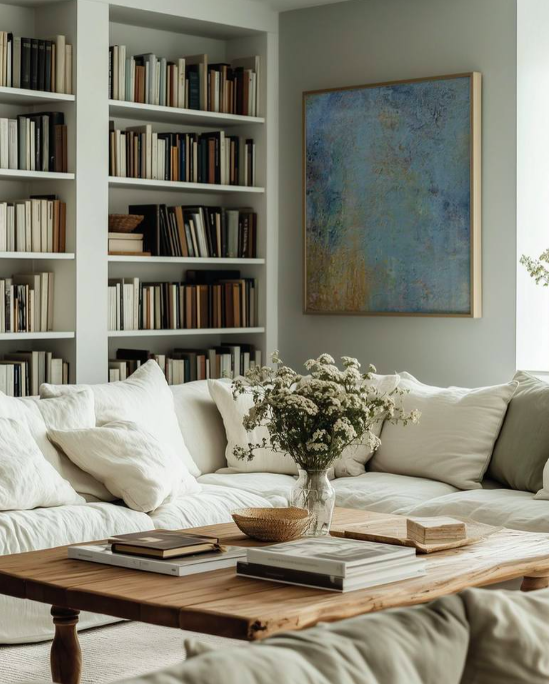
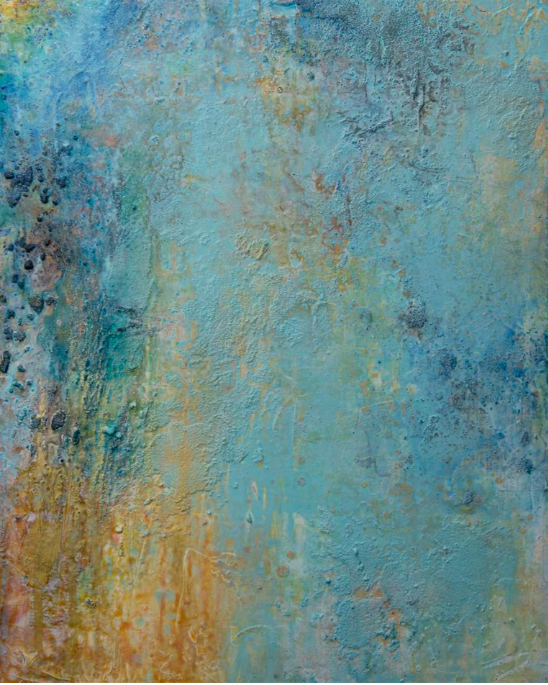
 A Living room with the healing aura of Coming Home to My Well Being, 24” x 30” x 1.5” Mixed Media on Wood Panel, © Deb Chaney Prints available on Saatchi Gallery.

The foundation of creative practice

As artists, we often ask ourselves: Am I rested? Am I hydrated? Have I eaten? Have I taken a breath of fresh air? Do I feel connected to Source?

These simple check-ins form the foundation of my creative practice. And it’s fascinating how well-being and creativity work both ways.

Sometimes I nourish my body first—drinking water, resting, going for a walk outdoors—and this naturally leads to more clarity in the studio.

Other times, it’s the art-making itself that pulls me back into balance. Even on the hardest days, when emotions are high, painting helps me process, restore rhythm, and reconnect with myself.

Over the years I’ve discovered that resilience as an artist in business depends on daily self-care. Meditation, visualization, gentle exercise, journaling, conscious thinking, and sweet surrender are the practices that keep me grounded.

But self-care doesn’t need to be complicated. It can be as simple as a glass of water, a slow, deep breath, or sending a kind message to a friend.

“In order to create, we draw from our inner well. This inner well, an artistic reservoir, is ideally like a well-stocked fish pond…As artists, we must learn to be self-nourishing.”

— Julia Cameron

Research agrees

Forbes reports that those who prioritize self-care show improved cognitive function, focus, and concentration. Techniques like mindfulness, exercise, and adequate sleep boost memory and decision-making—directly supporting productivity and creativity.

Coming Home to My Well Being, 24” x 30” x 1.5” Mixed Media on Wood Panel, © Deb Chaney Prints available on Saatchi Gallery.

The takeaway

Your creativity requires energy. Prioritize well-being, and notice how it fuels not just your art, but your life.

👉 Curious to go deeper? My upcoming self-study course, The Illuminated Artist in Business, explores practices like these to help you thrive as a creator. Read on the Course Page.