
The Armory Show NYC 2026: When Materials Become Part of the Art — Part Two
/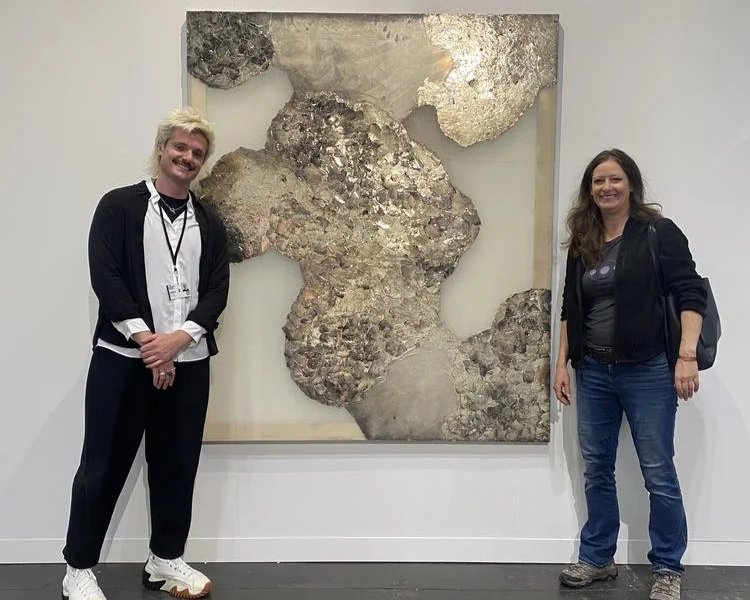
Deb with Jack Cassou of CARVALHO in front of Rosalind Tallmadge’s work
In Part One, I shared three artists from The Armory Show 2026 whose work stopped me for very different reasons: Tracey Emin, Karl Haendel and Alexandria Tarver.
But as I continued walking through the show, I noticed another thread developing.
I kept being drawn to work that made me ask:
How did they do that?
As an artist, I can get very curious about technique. Give me an unusual surface, an unexpected material or a process I haven't encountered before, and I want to get closer.
That happened repeatedly during my day at The Armory Show.
The annual New York art fair brings together galleries presenting modern and contemporary art from around the world. The 2026 edition took place September 24–27 at the Jacob K. Javits Convention Center in Manhattan. I had given myself about five hours to explore the fair, moving slowly through the booths and allowing myself to stop wherever something genuinely caught my attention.
By the end of the day, three artists in particular had me thinking about materials in completely different ways. And the first was responsible for one of my favorite discoveries of the entire show.
Rosalind Tallmadge
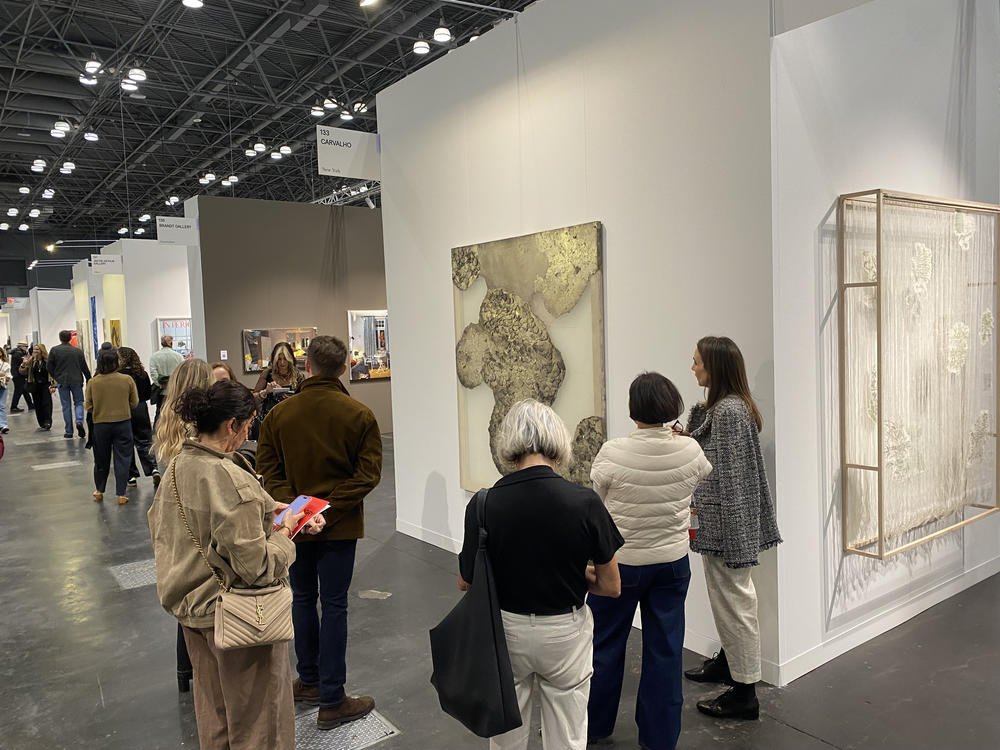
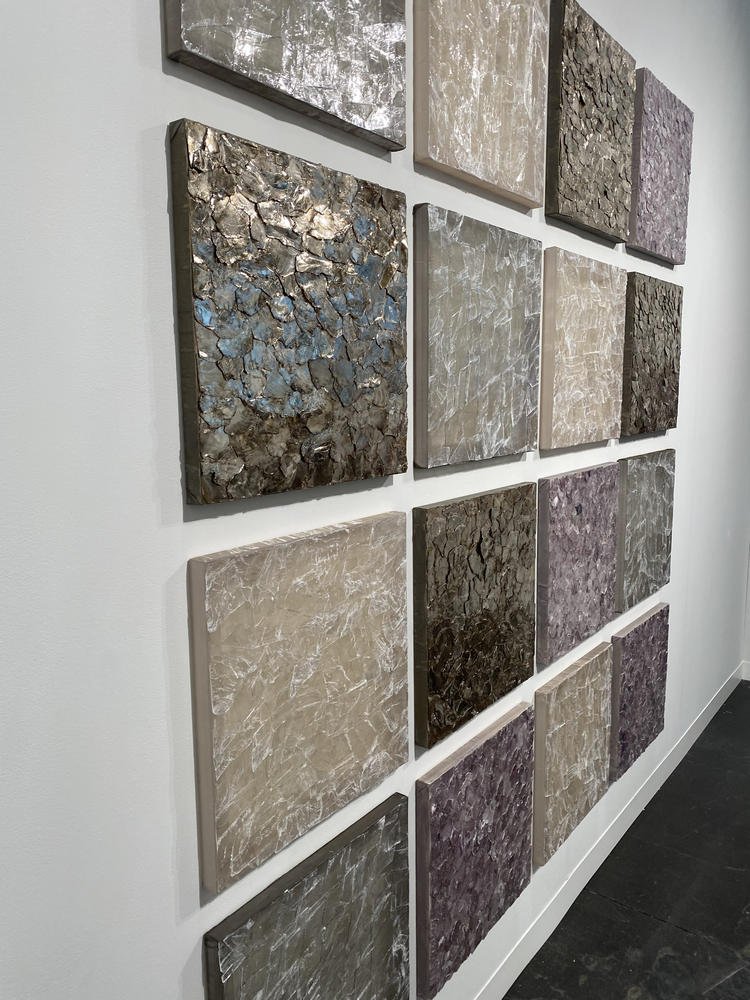
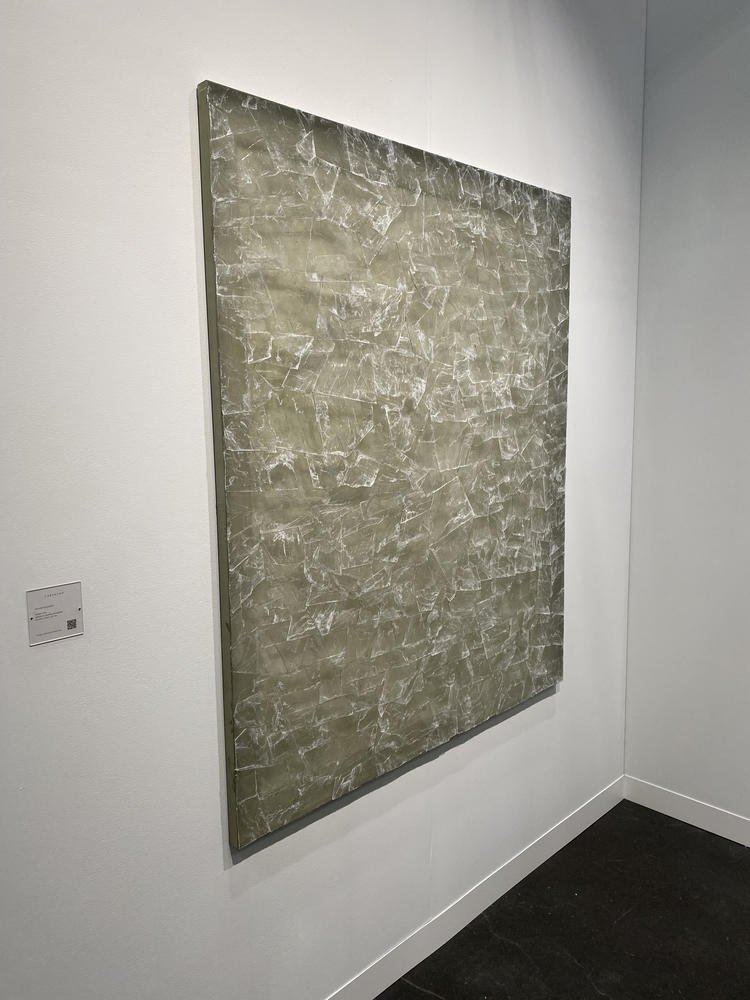
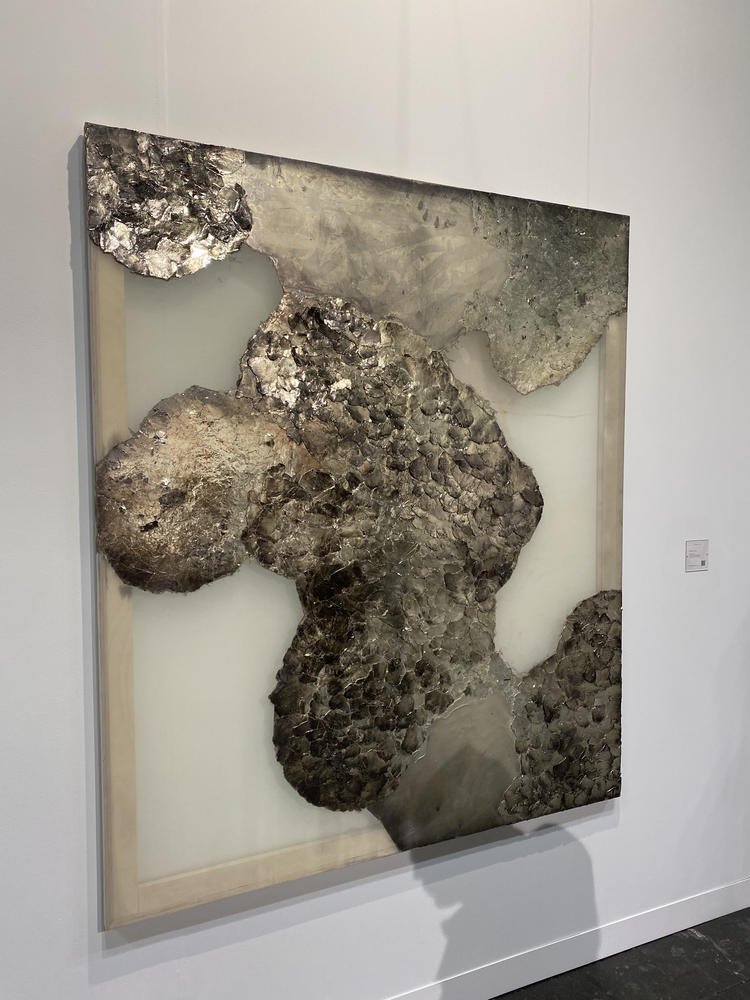
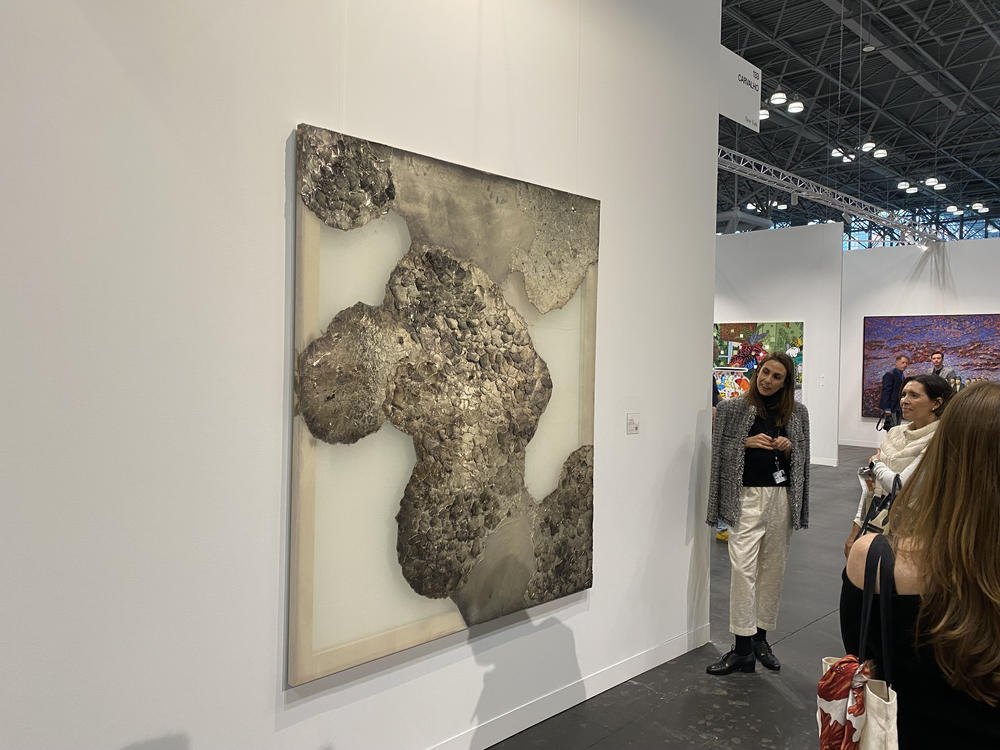
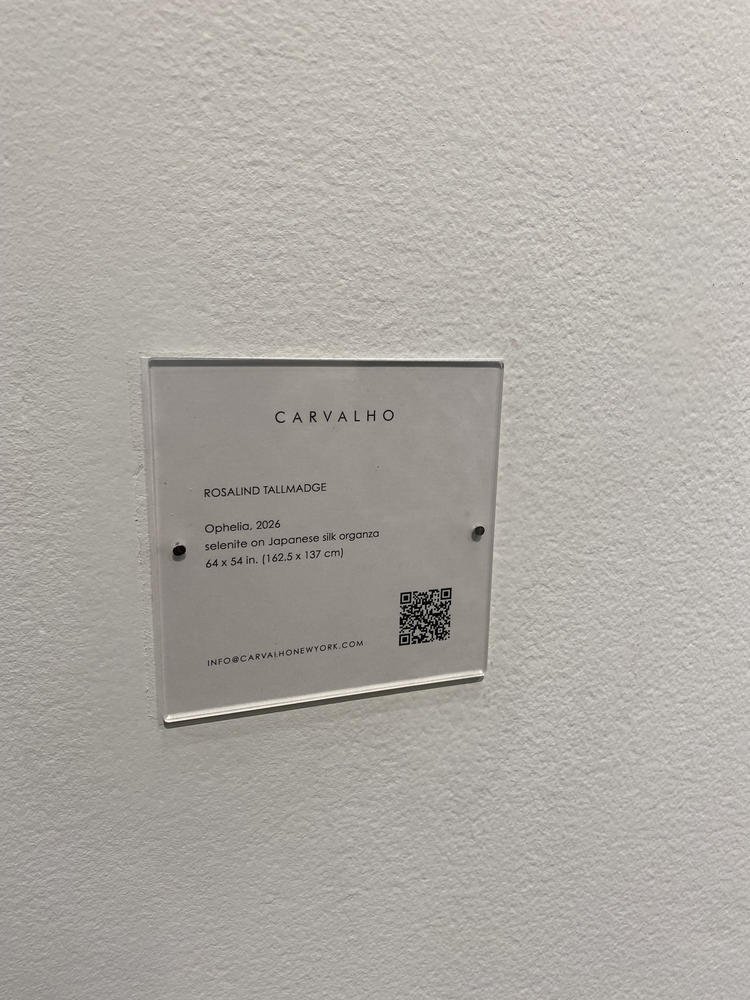
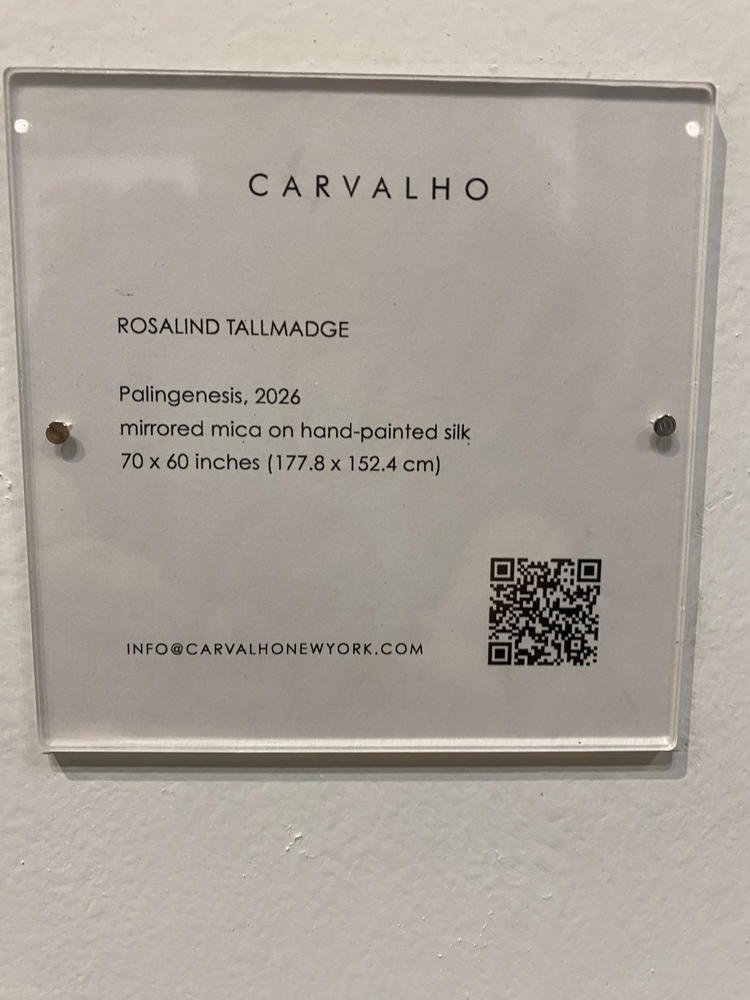
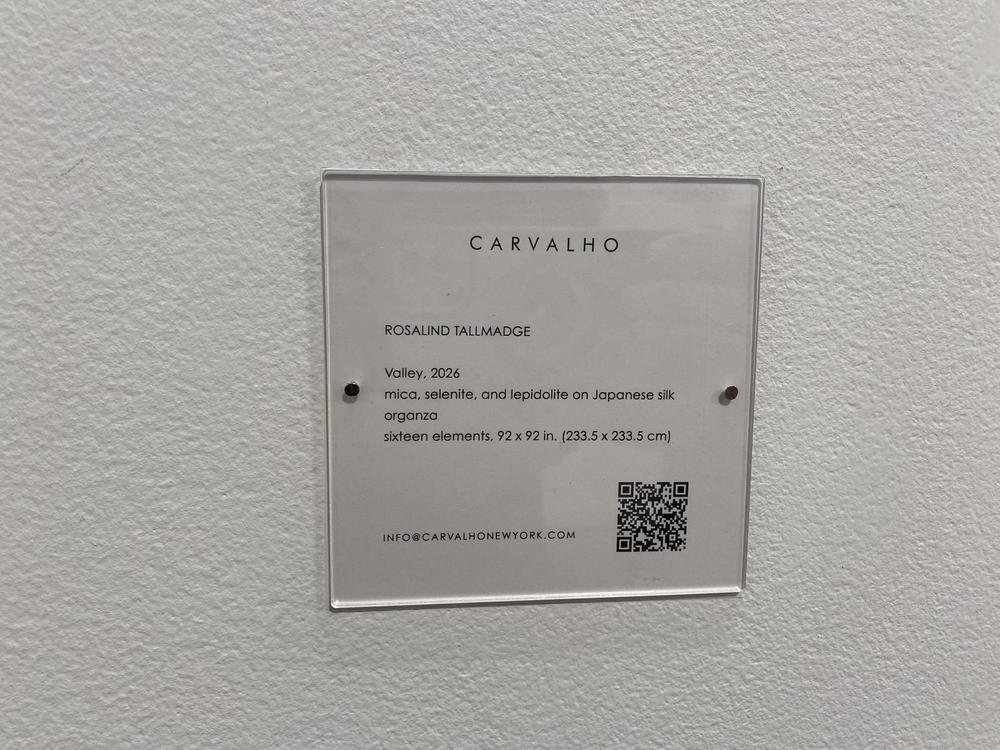
There was already a small gathering of people around Rosalind Tallmadge's work when I came across it.
Apparently, I wasn't the only one intrigued.
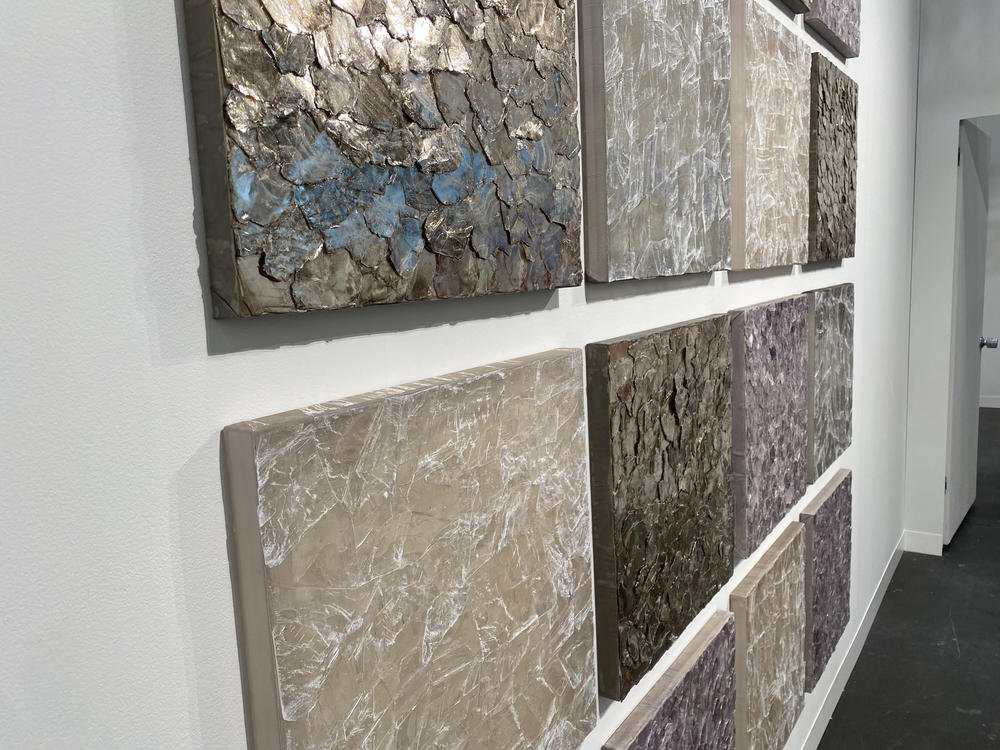
From across the booth, the pieces had a quietness and simplicity to them. But once I got closer, the surfaces began to reveal themselves.
They shimmered.
They changed.
And I discovered that I wasn't simply looking at paint.
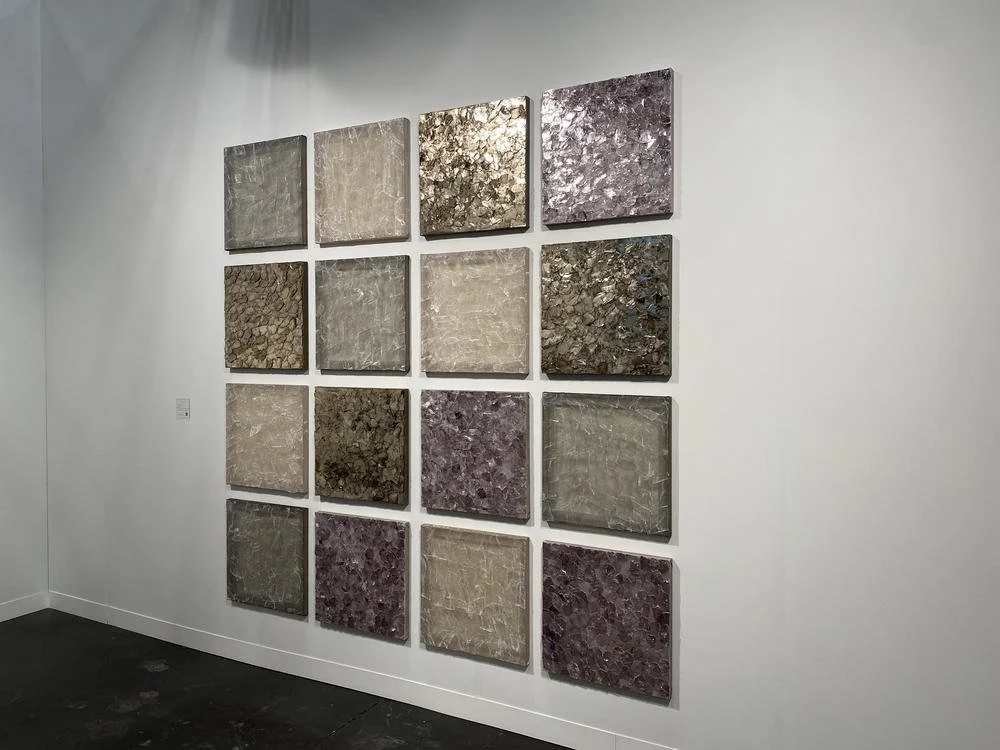
Tallmadge was working with minerals—including mica and selenite—on silk and silk organza.
Immediately, my artist brain kicked in.
How is she attaching this?
How is it constructed?
Why mica?
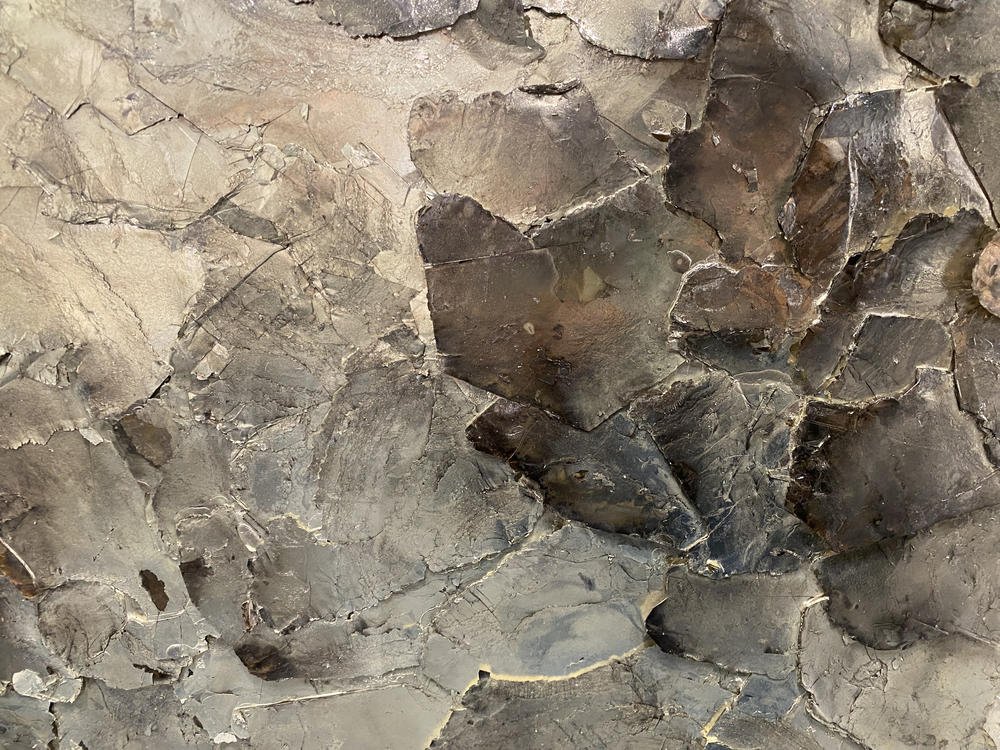
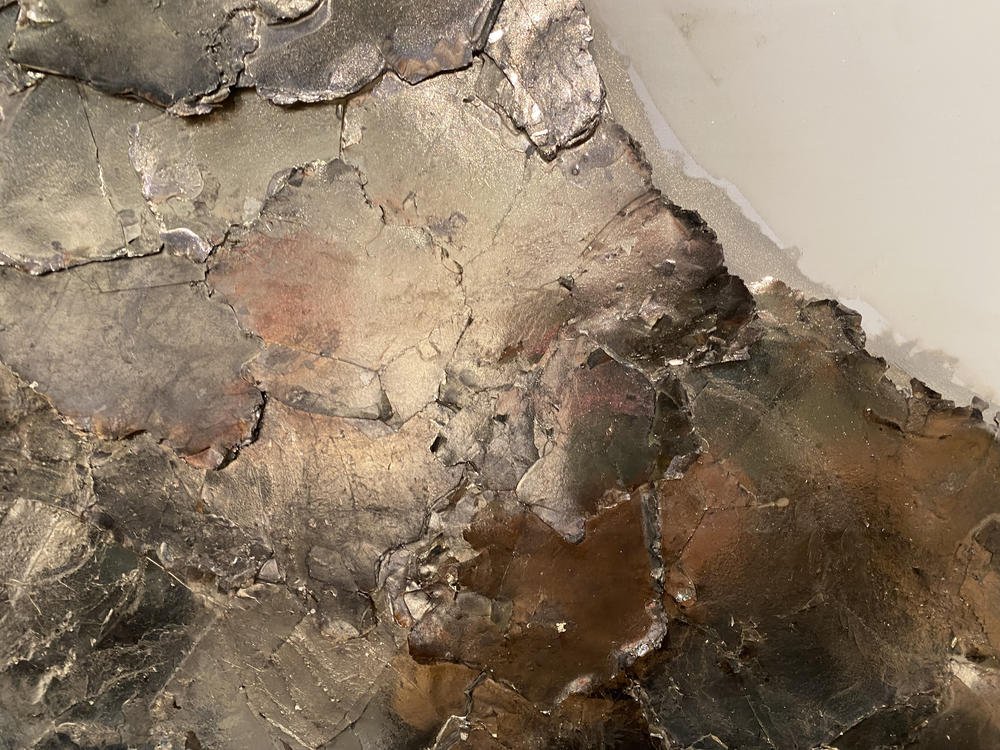
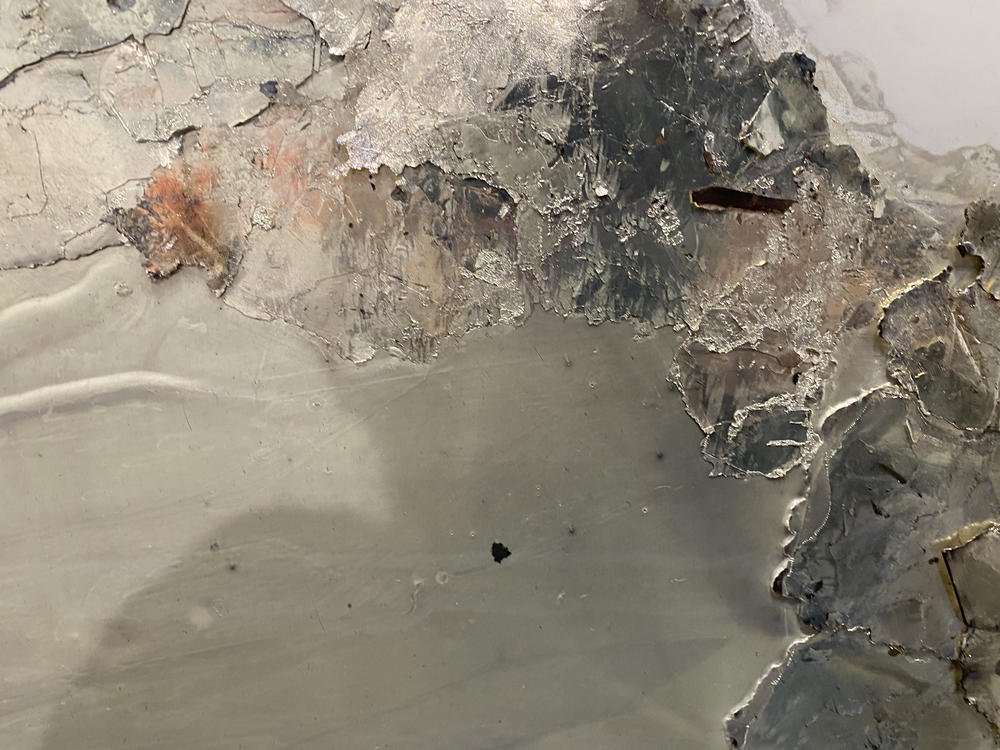
The work pictured here was presented by CARVALHO of New York. Tallmadge was born in Cincinnati, Ohio, in 1987 and now lives and works in Brooklyn. Her gallery describes her as a multimedia artist.
Three of the works I photographed were created in 2026.
Palingenesis is made with mirrored mica on hand-painted silk and measures 70 × 60 inches.
Valley combines mica, selenite and lepidolite on Japanese silk organza. The work consists of 16 elements and measures 92 × 92 inches overall.
And Ophelia is made with selenite on Japanese silk organza and measures 64 × 54 inches.
I ended up having a wonderful connection and conversation with Jack Cassou of CARVALHO, who is photographed with me at the top of the page.
And I kept coming back to the work.
There was something about the translucency that I found especially beautiful. The mineral surfaces gave the pieces a physical presence, but the silk kept them from feeling heavy.
To me, they seemed to balance masculine and feminine qualities—the strength and earthiness of the minerals against the delicacy and translucency of the fabric.
They also felt minimalist without feeling empty.
There was plenty happening. You simply had to get close enough to discover it.
Tallmadge's work was one of my favorite discoveries of the entire show precisely because it gave me something I hadn't seen before.
And that excites me.
José Bechara
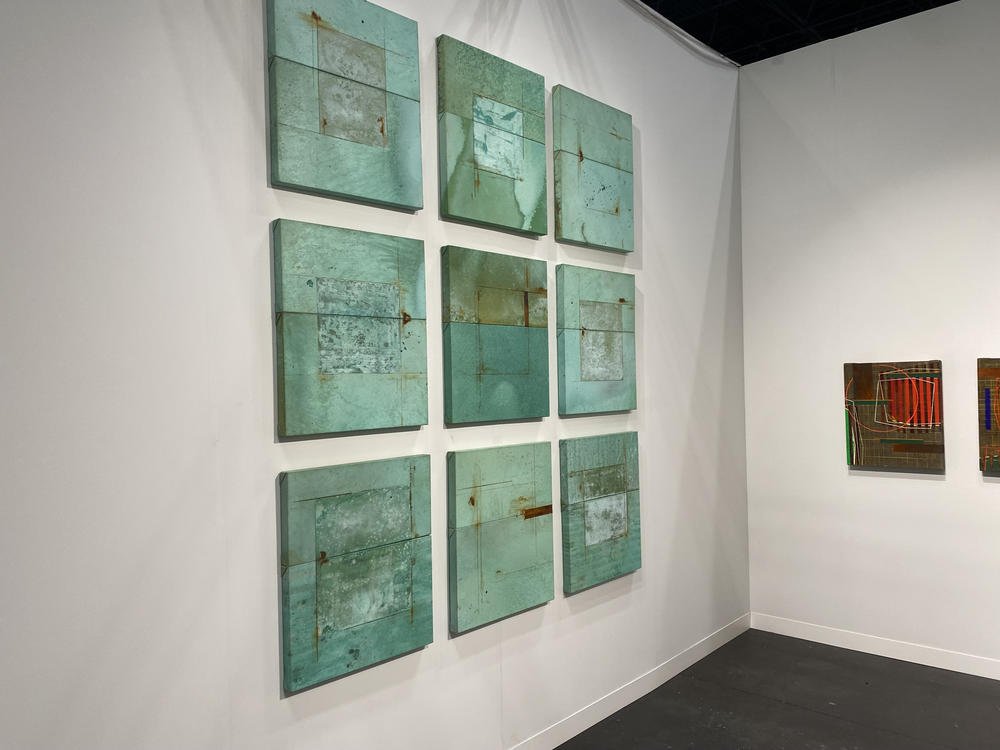
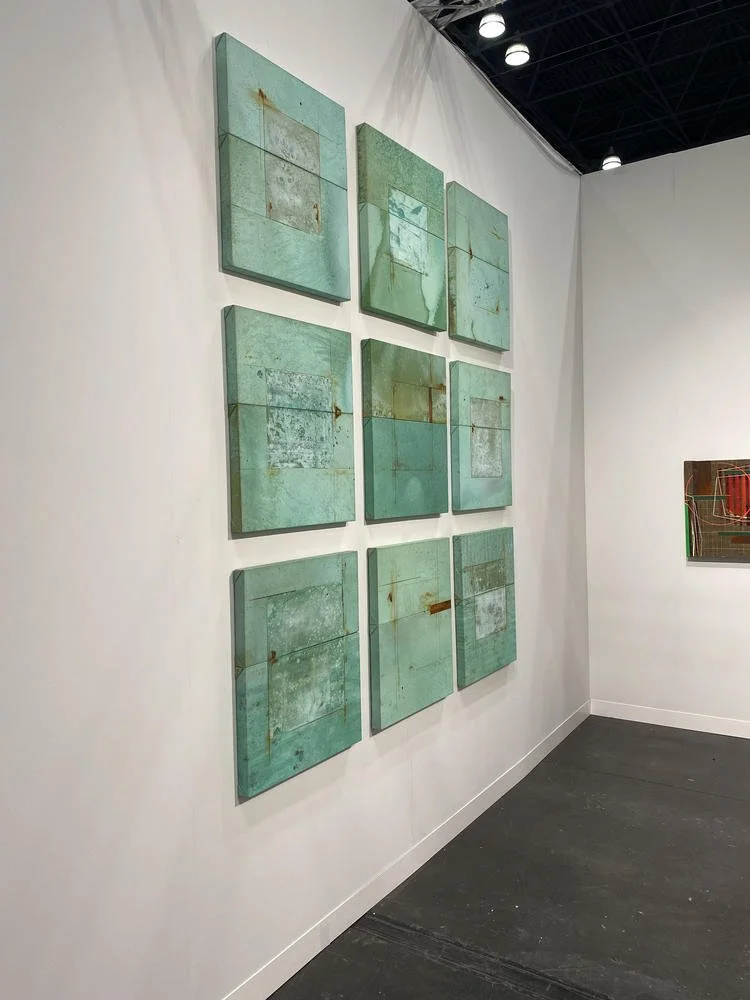
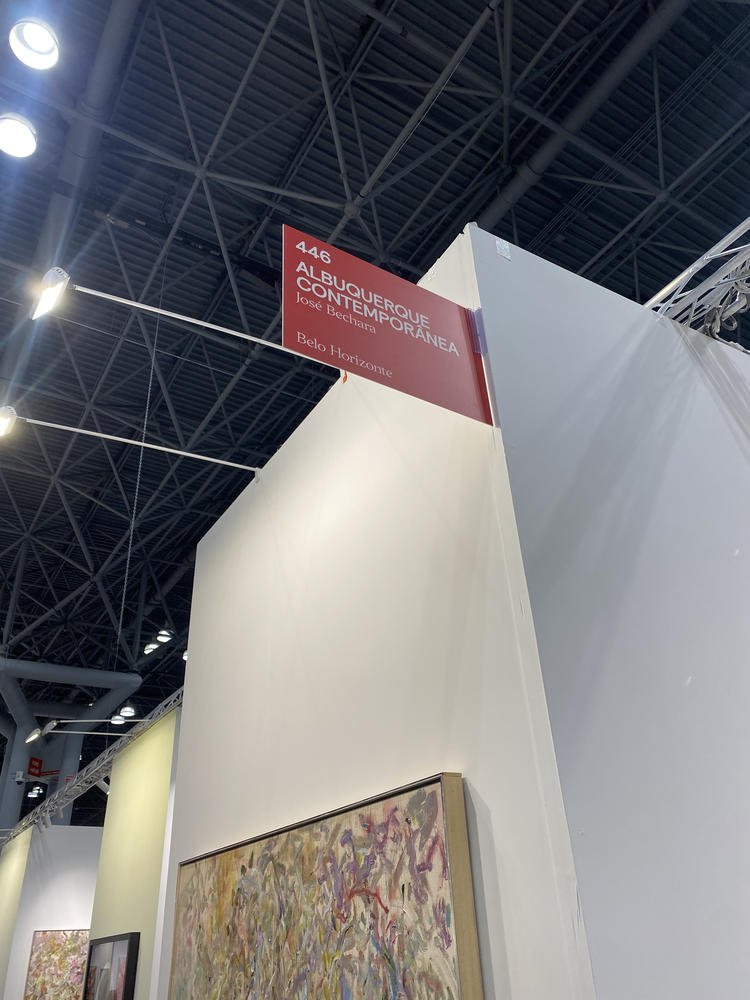
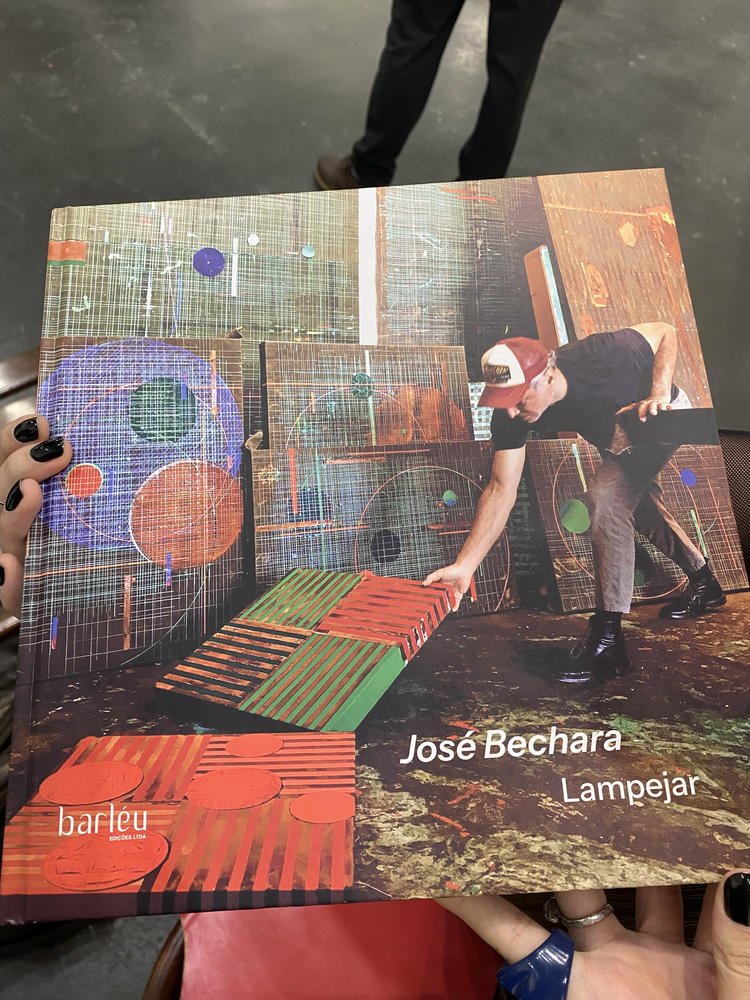
Then there was this extraordinary turquoise.
The work of Brazilian artist José Bechara immediately reminded me of an experience from much earlier in my own career.
When I lived in Los Angeles and my art career was just beginning, I met artist Adolfo Antonio Girala, whose work introduced me to beautiful green surfaces and the possibilities of materials such as copper.
Seeing Bechara's work brought that memory back.
Bechara was born in 1957 and lives and works in Rio de Janeiro. His work at The Armory Show was presented by Albuquerque Contemporânea of Belo Horizonte, Brazil. The gallery describes his broader practice in terms of geometry, layered processes and oxidation.
What initially fascinated me was the colour.
I love emerald and turquoise greens, and oxidized copper can produce the most gorgeous surfaces.
From a distance, some of these works almost had the visual precision of prints. But standing in front of them, there was something much more physical happening. The clean lines and geometry contrasted beautifully with the organic qualities I associate with oxidation.
And once again, I wanted to know exactly how they had been made.
My initial understanding at the fair was that I was looking at colour created through oxidized copper rather than conventional paint. However, in researching Bechara's work afterward, I couldn't verify that description for these particular pieces. His documented practice can incorporate oxidation as well as acrylic paint, and I don't have the individual object labels for the turquoise works I photographed. So I'm resisting the temptation to tell you exactly what you're looking at when I can't confirm it.
What I can tell you is what happened when I encountered them.
I stopped.
I looked closer.
And I wanted to understand the process.
That curiosity was becoming something of a theme for my day.
Summer Wheat
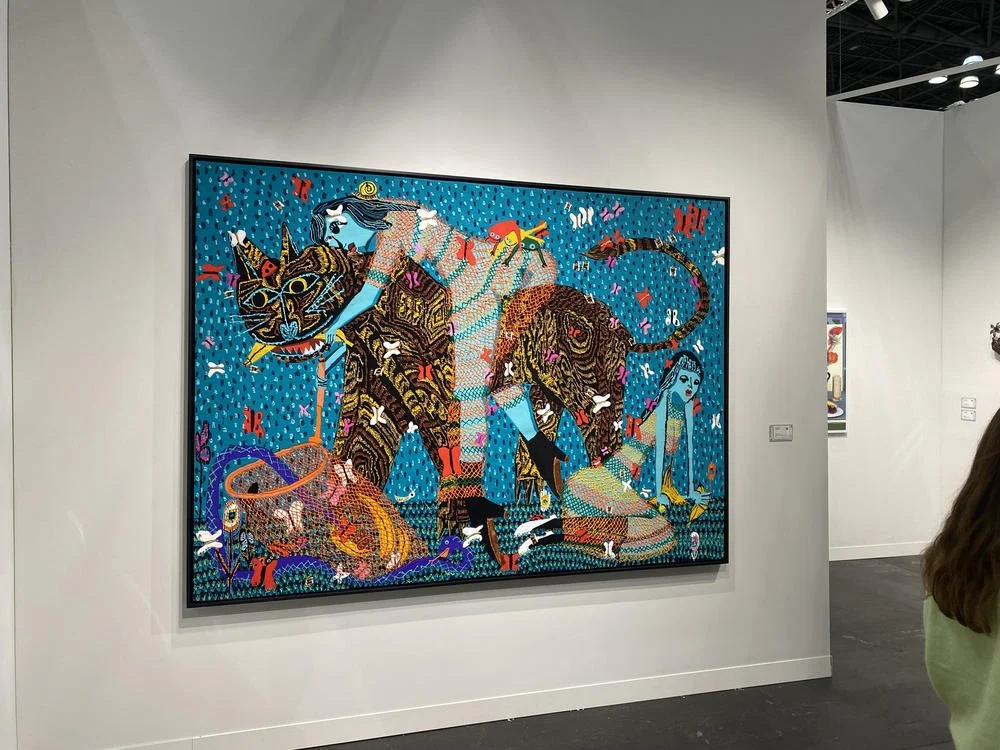
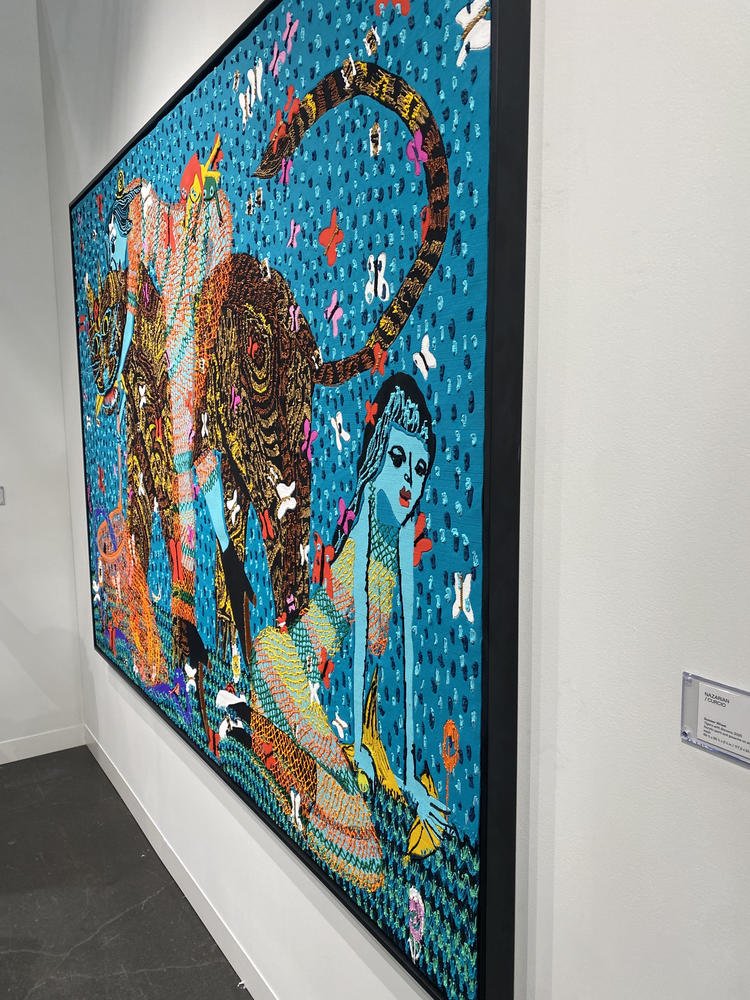
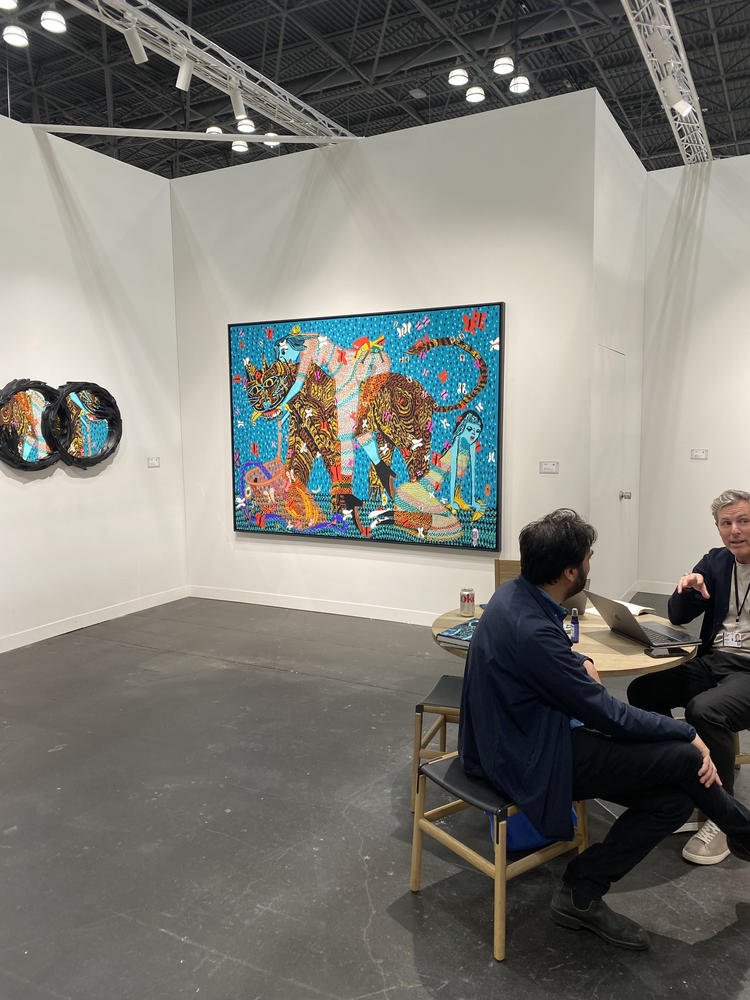
And then I encountered a tiger.
This one pulled me in for an entirely different reason.
When I was little, my mom used to read me a story involving a tiger who climbed off the wall mural where he lived and joined the little girl for tea. My memories of the details have become fuzzy over the years, but seeing Summer Wheat's enormous tiger painting brought that childhood memory rushing back.
So initially, I approached the work because of the imagery and storytelling.
Then I got close.
And forgot all about the tiger for a minute.
Because...
What was this surface?
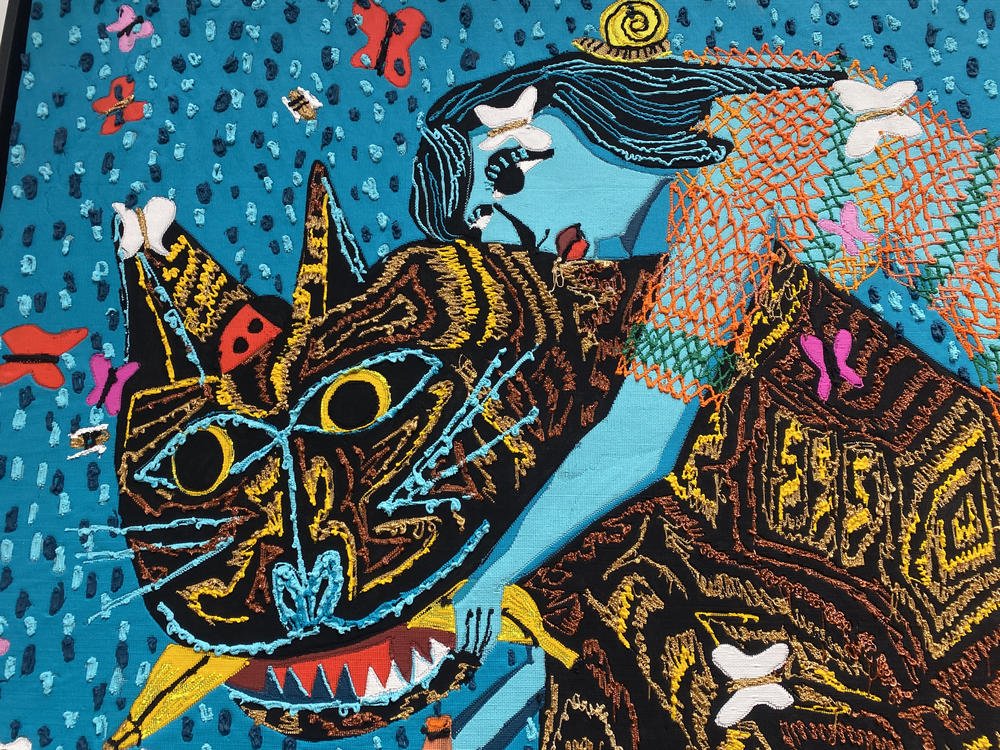
From a distance, the painting almost looked like fabric.
It seemed woven or stitched somehow.
But it wasn't.
Summer Wheat, who was born in Oklahoma City in 1977, has developed a painting process that involves pushing paint through mesh. Her gallery describes variations of this technique in her practice, creating the distinctive, almost textile-like surfaces that had completely fooled my eye from farther away.
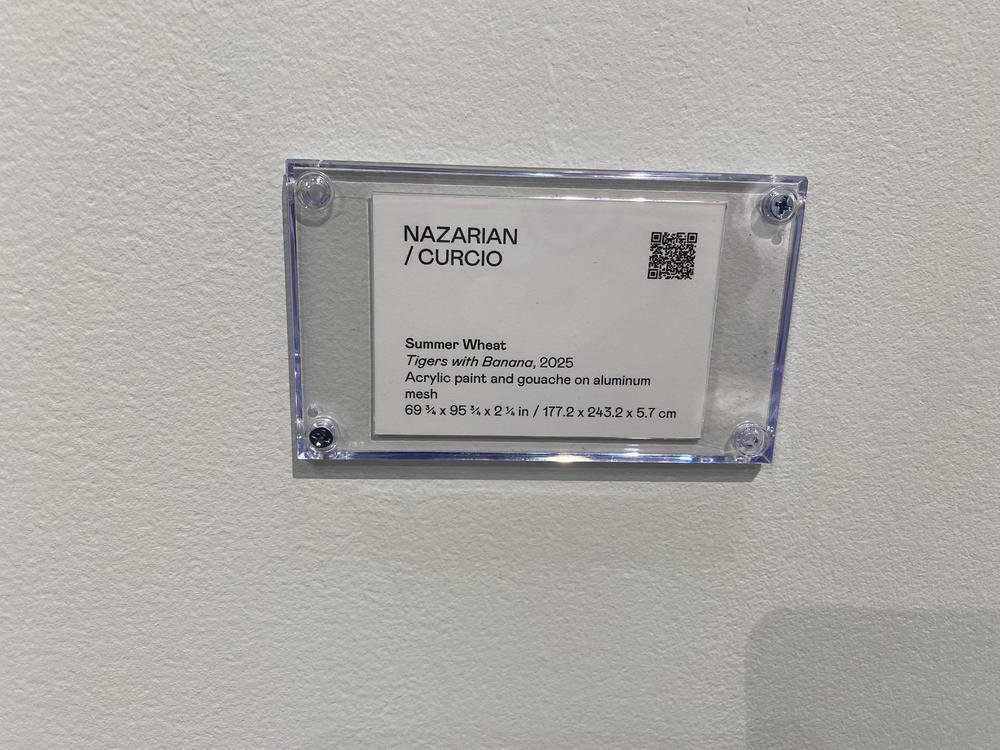
The work I photographed at The Armory Show was presented by Nazarian / Curcio of Los Angeles.
According to the object label I photographed at the fair, Tigers with Banana, 2025, is made from acrylic paint and gouache on aluminum mesh.
It measures 69¾ × 95¾ × 2¼ inches.
(There is actually a discrepancy between that fair label and another institutional record for a similarly named 2025 Wheat work, so I'm using the information that appeared directly alongside the artwork at The Armory Show rather than trying to reconcile records myself.)
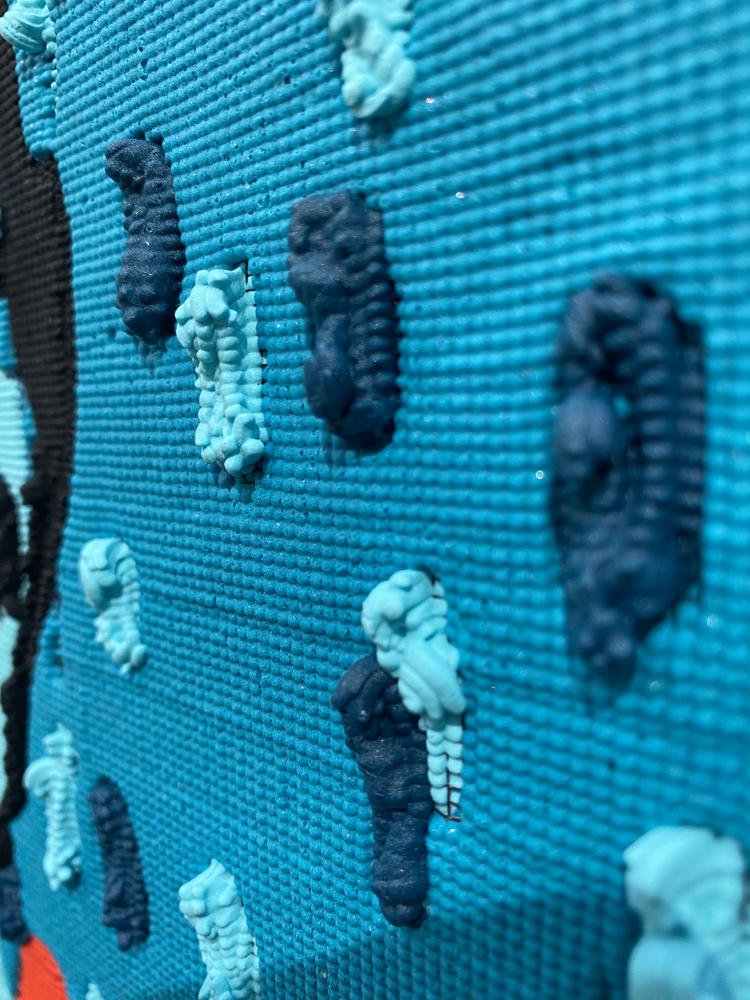
This is exactly the kind of thing I love discovering at an art fair.
From several feet away, I thought I understood what I was looking at.
Then I moved closer and realized I didn't.
The material changed my understanding of the painting.
What had appeared textile-like was actually created through paint and mesh. And suddenly I wasn't only thinking about the image anymore—I was thinking about process, experimentation and all the decisions that had to happen before the finished work existed.
I spent quite a bit of time looking at this one.
The tiger may have pulled me across the room.
The technique kept me there.
What I Loved About The Armory Show
Looking back over my day at The Armory Show, I think one of the things I appreciated most was being reminded of how much there still is to discover.
As artists, it's easy to become immersed in our own studios, our own materials and our own ways of solving creative problems.
Then you stand in front of something made from mica on silk.
Or encounter an artist exploring oxidation, geometry and layered surfaces.
Or discover that what looks remarkably like fabric is actually paint pushed through mesh.
And suddenly your understanding of what a painting can be gets a little wider.
Rosalind Tallmadge's work was one of my favorite discoveries of the fair because I'd simply never encountered anything quite like it. José Bechara reminded me how much I love clean lines, beautiful colour and technically intriguing surfaces. And Summer Wheat took an image that connected me to a childhood memory and then completely surprised me with how she'd physically made it.
Together, these artists reminded me of something I felt repeatedly throughout my five hours at the Javits Center:
Curiosity matters.
Not only curiosity about what an artwork means, but curiosity about how it came into existence.
Why this material?
Why this surface?
Why this process?
And maybe most importantly:
What does seeing somebody else push beyond the familiar make possible in our own work?
That, for me, was one of the real gifts of spending a day at The Armory Show 2026.